
Fiction
Best fiction books summarized in 15 minutes
This selection brings together the novels everyone cites, from Don Quixote and Pride and Prejudice to Crime and Punishment, The Brothers Karamazov and Anna Karenina, along with dystopias like 1984, Brave New World and Fahrenheit 451, and Brazilian classics such as Dom Casmurro and The Posthumous Memoirs of Brás Cubas by Machado de Assis.
Each summary tells the story, introduces the characters and explains why the book matters: the context in which it was written, its themes and its best-known readings. It is useful for reviewing before a class or exam, deciding which classic to take on, or recalling a book you read long ago. Modern favorites such as The Book Thief and The Midnight Library are here too.
But a novel is an experience, and no summary replaces the pleasure of the original text. If a story grabs you here, read the whole thing. Many of these classics are in the public domain, so the originals are easy to find, and a summary can be a good map before you start.
Fiction summaries
 15 min
Dom Casmurro
Machado de Assis
The book's most famous question has no answer hidden in any chapter, because the ambiguity is the author's deliberate construction.
 15 min
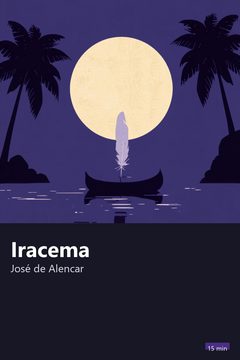
Iracema
José de Alencar
Every newly independent nation needs to invent a beautiful origin story to tell about itself, and Alencar decided to invent Brazil's.
 15 min
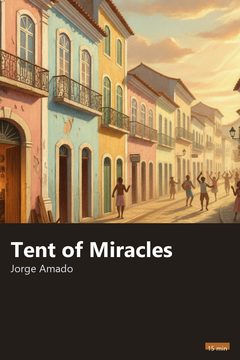
Tent of Miracles
Jorge Amado
Calling someone else's religion folklore is a polite way of saying it doesn't count as a religion.
 15 min
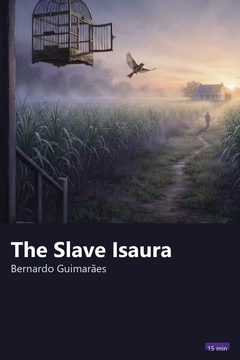
The Slave Isaura
Bernardo Guimarães
To stay alive and free, Isaura had to become Elvira: in this novel, survival meant erasing her own name.
 15 min
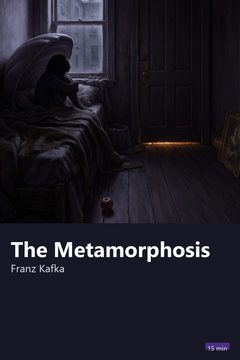
The Metamorphosis
Franz Kafka
In the Samsa household, which depended only on Gregor's paycheck, his body becomes a work tool before he is still seen as a member of the family.
 15 min
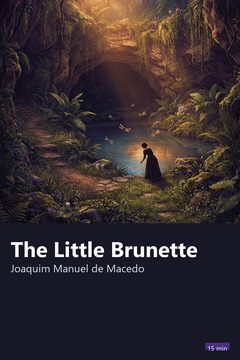
The Little Brunette
Joaquim Manuel de Macedo
According to the book, the nickname "the little brunette" hides the girl who needs the least effort to hold Augusto's attention, precisely because she never competes for it.
 16 min
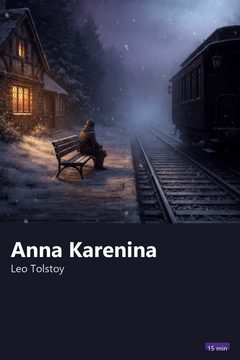
Anna Karenina
Leo Tolstoy
For Karenin, marriage works like a government post: following protocol matters more than truly responding to what his wife feels.
 15 min
The Posthumous Memoirs of Brás Cubas
Machado de Assis
Privilege is not the absence of mistakes, it is the absence of consequences for the very same mistakes.
 16 min
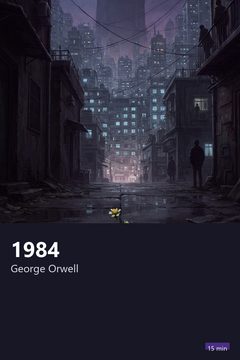
1984
George Orwell
At the Ministry of Truth, Winston rewrites old newspapers so that the present can never be challenged by any record of the past.
 17 min
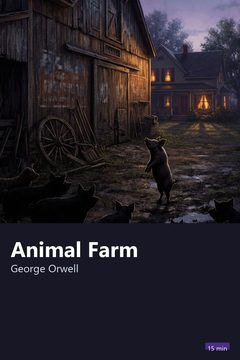
Animal Farm
George Orwell
The Seven Commandments painted on the barn wall protect the animals only until the pigs have the power to rewrite the paint.
 17 min
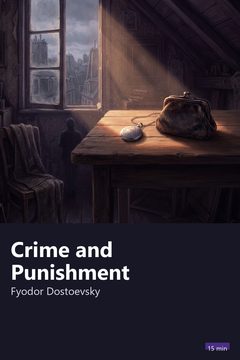
Crime and Punishment
Fyodor Dostoevsky
For Raskolnikov, the theory of the extraordinary man worked like a new outfit for an old desperation to escape poverty.
 16 min
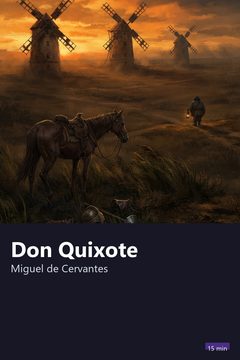
Don Quixote
Miguel de Cervantes
Dulcinea exists far more in Don Quixote's head than in the life of Aldonza Lorenzo, the peasant woman he never actually gets to know up close.
 14 min
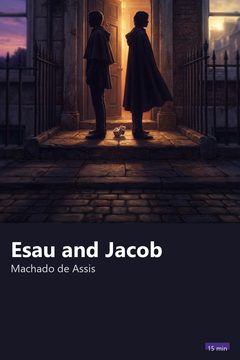
Esau and Jacob
Machado de Assis
In the novel, Flora can't choose between Pedro and Paulo, and her indecision works as a portrait of a country split between Empire and Republic.
 16 min
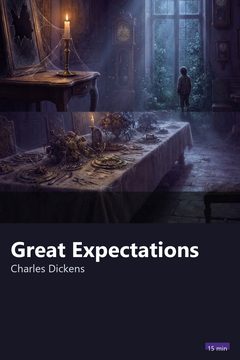
Great Expectations
Charles Dickens
In this novel, building your own identity on top of a secret you don't control leaves Pip waiting for the moment the explanation collapses.
 16 min
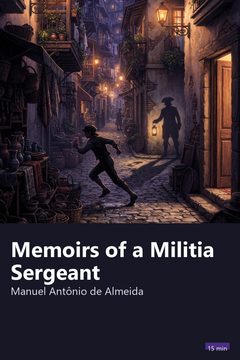
Memoirs of a Militia Sergeant
Manuel Antônio de Almeida
In the novel, forced recruitment into the army works as punishment disguised as military service: a poor young man without an important last name became a soldier on Vidigal's say-so, with no trial and no choice of his own.
 16 min
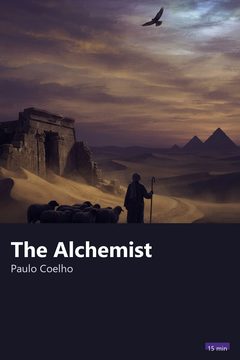
The Alchemist
Paulo Coelho
Melchizedek teaches that the Personal Legend usually gets lost little by little, under layers of excuses and routine, not in one big act of giving up.
 17 min
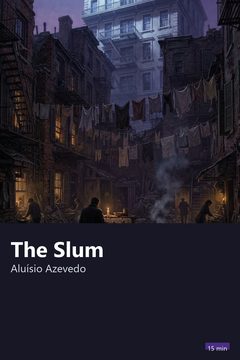
The Slum
Aluísio Azevedo
A letter of manumission only counts if it is officially registered. In the book, Bertoleza spends years convinced she is free, yet she stays stuck in the same work and with the same owner.
 15 min
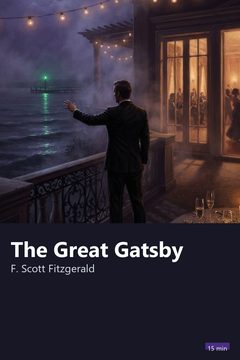
The Great Gatsby
F. Scott Fitzgerald
The faded billboard of Doctor Eckleburg looks over everything without judging anything, and that's exactly the point: in The Great Gatsby, the people at the top rarely answer for what they do to the people below.
 16 min
The Guarani
José de Alencar
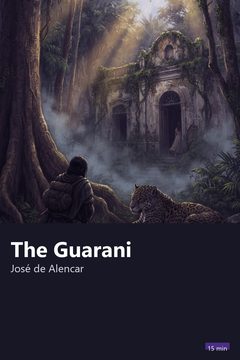
In The Guarani, Isabel and Álvaro only find each other in love when the house is already surrounded, and their ending shows the darkest side of the novel.
 15 min
The Picture of Dorian Gray
Oscar Wilde
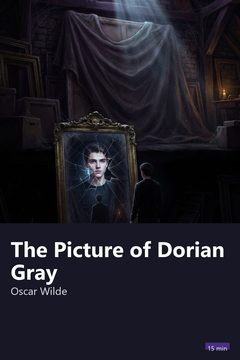
In the book, the first change in the painting's expression shows up before any visible punishment: conscience records the damage right away, even when life looks exactly the same on the outside.
 17 min
Pride and Prejudice
Jane Austen
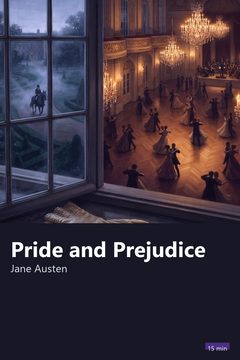
According to the book, accepting a marriage for security instead of affection can be a rational decision, not a flaw of character, when the alternative is poverty.
 16 min
The Brothers Karamazov
Fyodor Dostoevsky
In the novel, an unpaid debt and jealousy over the same woman, between father and son, set the stage for the Karamazov tragedy.
 17 min
The Maias
Eça de Queirós
Eça shows, in Carlos da Maia, a young man prepared with excellence for a brilliant life that never actually demands that preparation.
 16 min
Quincas Borba
Machado de Assis
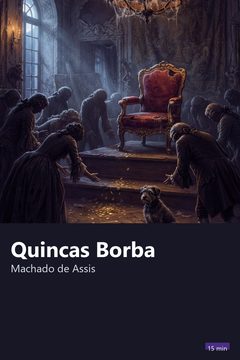
For the author, any philosophy that explains why the strongest side is right is usually born on the side of whoever is already winning the contest.
 16 min
Senhora
José de Alencar
In the novel, the house Aurélia and Seixas share is silent and cold, which shows that control and humiliation don't need shouting. Outside of fiction, this is abuse, and in the U.S. the National Domestic Violence Hotline (1-800-799-7233) can help.
 15 min
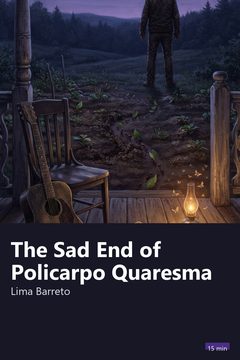
The Sad End of Policarpo Quaresma
Lima Barreto
For the author, a society that does not know what to do with excessive devotion tends to treat too much idealism as an illness, instead of asking why almost nobody else has that much of it.
 15 min
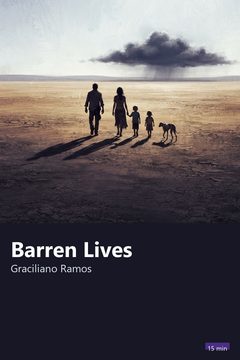
Barren Lives
Graciliano Ramos
Locked up by the yellow-uniformed soldier for no reason, Fabiano loses more than a day: he carries the rage of that humiliation for a very long time.
 17 min
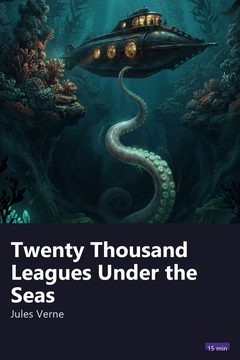
Twenty Thousand Leagues Under the Seas
Jules Verne
In the giant squid attack, Verne puts Nemo, Ned Land, and the crew in hand-to-hand combat, with no time for any plan.
 15 min
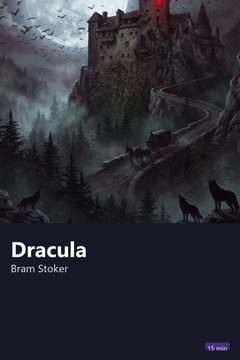
Dracula
Bram Stoker
Renfield trades his freedom for a promise of power, and the promise is never kept: obeying someone who exploits your weakness usually ends badly.
 13 min
Fahrenheit 451
Ray Bradbury
Constant noise works like anesthesia: without silence, we stop hearing our own dissatisfaction.
 13 min
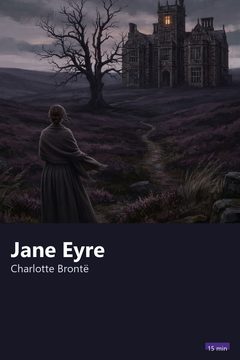
Jane Eyre
Charlotte Brontë
People who preach sacrifice to others while living in comfort, like the head of Lowood, use virtue as an excuse to give orders.
 15 min
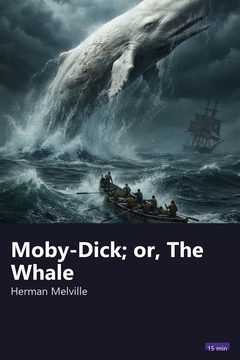
Moby-Dick; or, The Whale
Herman Melville
Ahab doesn't order the hunt: he sells it, with gold, a speech and a toast, and an obsession packaged that way spreads like a fad.
 13 min
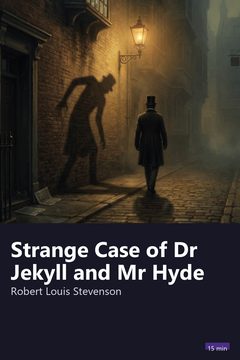
Strange Case of Dr Jekyll and Mr Hyde
Robert Louis Stevenson
Quitting once is only the beginning: the hard part is the day the craving comes back twice as strong and nobody is watching.
 15 min
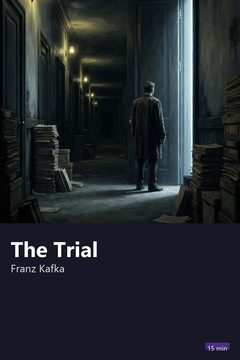
The Trial
Franz Kafka
In the book, K.'s brilliant speech changes nothing: speaking well does not help when the people who decide are not even listening.
 14 min
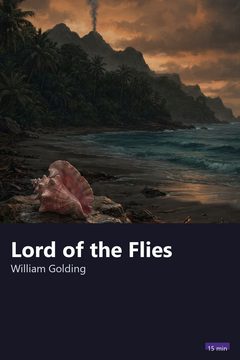
Lord of the Flies
William Golding
Faceless fear is fuel: the less concrete the threat, the easier it is to use it to control others.
 13 min
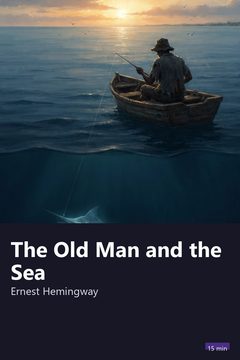
The Old Man and the Sea
Ernest Hemingway
When a battle lasts for days, the memory of an old trial becomes fuel: remembering what you've already endured helps you keep going.
 13 min
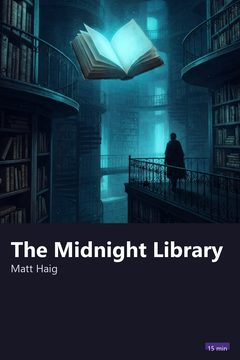
The Midnight Library
Matt Haig
Thoughts that come back every night tend to feed on small losses piled up together, not on a single big drama.
 15 min
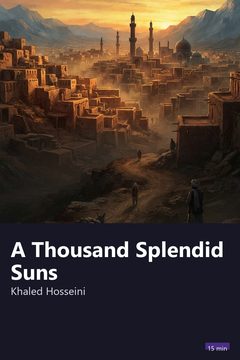
A Thousand Splendid Suns
Khaled Hosseini
A childhood friendship can be the first place where someone discovers they are worth something, and that memory can hold a person up through years of hardship.
 13 min
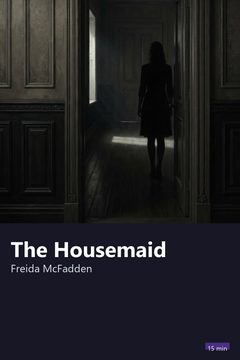
The Housemaid
Freida McFadden
In the book, the wife who seems unhinged is the first clue that someone manufactured that image of her.
 16 min
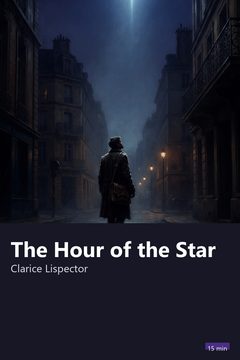
The Hour of the Star
Clarice Lispector
The book's narrator shows that telling another person's life is also a way of talking about yourself: by looking at Macabéa, he reveals his own guilt.
 14 min
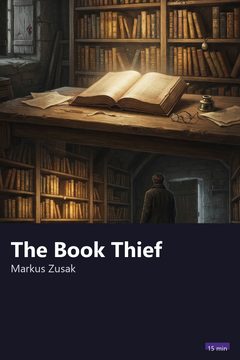
The Book Thief
Markus Zusak
Burning books in a public square is a way of saying who gets to think what, and the novel shows that whoever reads in secret holds on to a freedom that power tries to erase.
 15 min
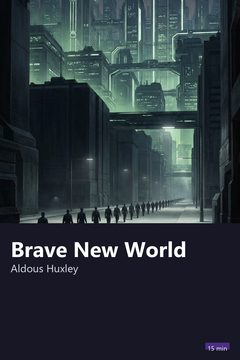
Brave New World
Aldous Huxley
The world of the book buys stability with planned inequality: each caste is manufactured to like the place it was given, and no one has to be forced to obey.
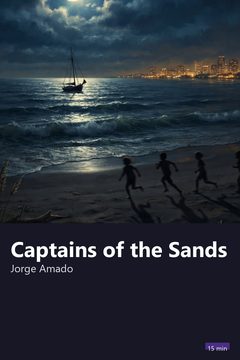 15 min
Captains of the Sands
Jorge Amado
Neighborhood leadership usually grows out of necessity and lasts when the leader shares what they have and protects the group.
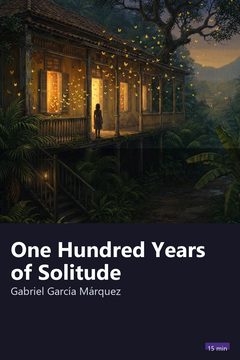 14 min
One Hundred Years of Solitude
Gabriel García Márquez
The book suggests that people who spend their lives in wars they cannot win end up losing, along the way, the very thing they wanted to defend.
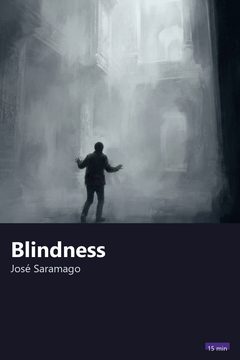 15 min
Blindness
José Saramago
Whoever controls an essential resource, like food, ends up giving the orders, and in the story, collective organization is the counterweight to that power.
 16 min
Frankenstein
Mary Shelley
Staying silent when you know the truth and letting an innocent person pay is a way of taking part in the wrong.
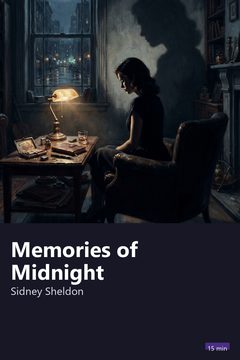 14 min
Memories of Midnight
Sidney Sheldon
In Catherine's story, losing her memory doesn't erase the danger: it only takes away her chance to recognize it.
 15 min
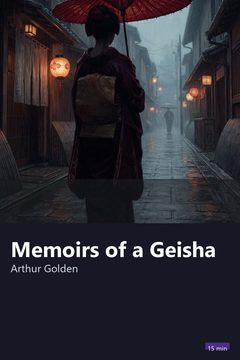
Memoirs of a Geisha
Arthur Golden
A single act of kindness, even a brief one, can become the compass of an entire life, but it can also lock the person who receives it into one direction.
 15 min
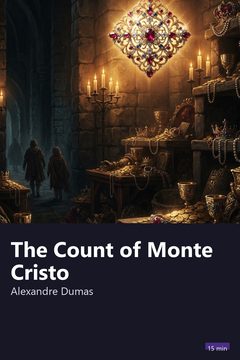
The Count of Monte Cristo
Alexandre Dumas
Fortunes built on credit and appearances are more fragile than they look, as the fall of the book's banker shows.
 16 min
The Hobbit
J.R.R. Tolkien
Asking for guidance from someone with more experience lets you see what you couldn't see alone: the map only revealed the secret door in Elrond's hands.
 17 min
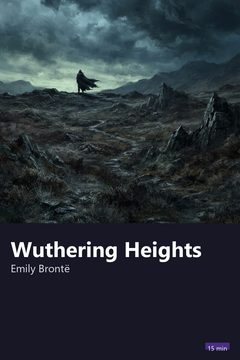
Wuthering Heights
Emily Brontë
Humiliation in childhood can turn into a thirst for payback in adulthood, and the novel shows that seed clearly.
 17 min
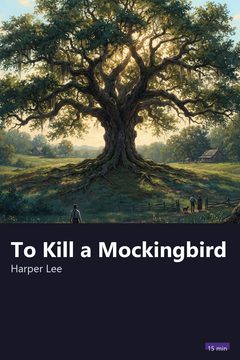
To Kill a Mockingbird
Harper Lee
According to the book, teaching by example is worth more than a lecture: kids learn from what they see their parents do when nobody is watching.
 13 min
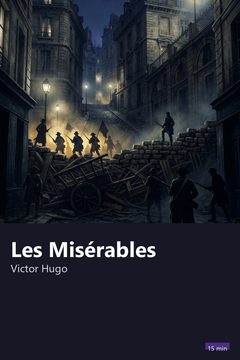
Les Misérables
Victor Hugo
According to the book, sincere mercy can change a person more deeply than punishment does.
 15 min
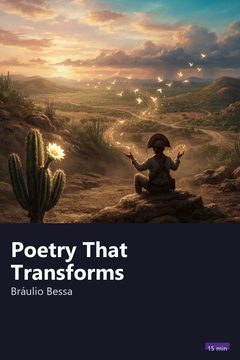
Poetry That Transforms
Bráulio Bessa
Pride in where you come from does not have to be aggressive; it can simply be the dignity of naming your origins without lowering your head.
 14 min
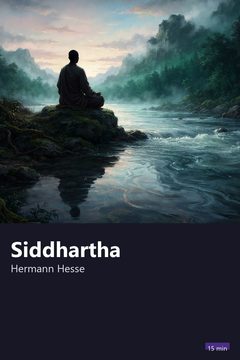
Siddhartha
Hermann Hesse
According to the novel, teachers can point the way, but only each person's own experience turns knowledge into wisdom.
 15 min
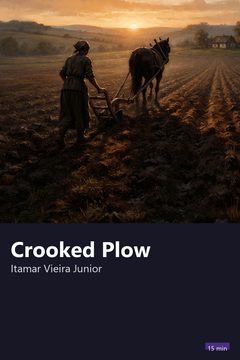
Crooked Plow
Itamar Vieira Junior
Whoever tells a story decides what gets left out, which is why several voices telling the same event bring the reader closer to the truth.
 15 min
Macunaíma
Mário de Andrade
The green-stone amulet is the stone Ci leaves the hero, and his quest to recover it drives the adventure to the end.
 16 min
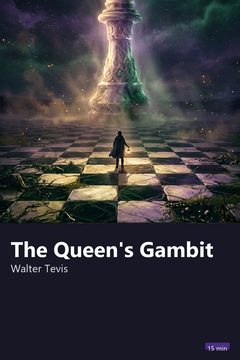
The Queen's Gambit
Walter Tevis
While Beth's life spins out of control, the board's 64 squares offer rules she understands, which explains her attachment to the game.
 15 min
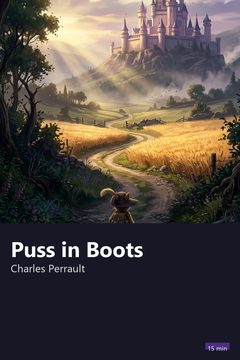
Puss in Boots
Charles Perrault
In this tale, the hero barely takes action: the point is that having an attentive ally can be worth more than owning property.
 15 min
The Ugly Duckling
Hans Christian Andersen
People who grow up in an environment that rejects them tend to accept the label they are given as the truth about themselves.
 15 min
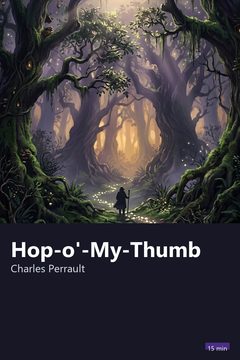
Hop-o'-My-Thumb
Charles Perrault
In the story, the ogre is huge and slow, and loses to someone who plans calmly: brute force without attention to detail is vulnerable.
Fiction authors
Machado de Assis · José de Alencar · Charles Perrault · Franz Kafka · Fyodor Dostoevsky · George Orwell · Jorge Amado · Aldous Huxley · Alexandre Dumas · Aluísio Azevedo · Arthur Golden · Bernardo Guimarães · Bram Stoker · Bráulio Bessa · Charles Dickens · Charlotte Brontë · Clarice Lispector · Eça de Queirós · Emily Brontë · Ernest Hemingway · F. Scott Fitzgerald · Freida McFadden · Gabriel García Márquez · Graciliano Ramos · Hans Christian Andersen · Harper Lee · Herman Melville · Hermann Hesse · Itamar Vieira Junior · J.R.R. Tolkien · Jane Austen · Joaquim Manuel de Macedo · José Saramago · Jules Verne · Khaled Hosseini · Leo Tolstoy · Lima Barreto · Manuel Antônio de Almeida · Mário de Andrade · Markus Zusak · Mary Shelley · Matt Haig · Miguel de Cervantes · Oscar Wilde · Paulo Coelho · Ray Bradbury · Robert Louis Stevenson · Sidney Sheldon · Victor Hugo · Walter Tevis · William Golding
Journeys with Fiction books
Sequences of books that complete each other, to follow in the app.
📚 Classics and Stories
Books that have crossed generations.
🖋️ World Classics
The foreign novels every reader should know.
🔮 Addictive Fiction
Stories that grip you from the first chapter to the last.
🏖️ Vacation Reads
Light, engaging novels for the hammock, the beach, or the road.
📜 Brazilian Literature
From Alencar and Machado to Torto Arado: the novels that shaped the Brazilian reader.
👁️ Dystopias and Warnings
Controlled worlds and freedom at risk: the dystopias that are still relevant.
🏰 The Great Novels
Tolstoy, Dostoevsky, Cervantes, and Melville: literary giants in 15 minutes.
Frequently asked questions
+Do the summaries help with school reading lists and exams?
They help you review plot, characters, context and themes of widely assigned works such as 1984, Animal Farm, Pride and Prejudice and To Kill a Mockingbird. For an exam, pair them with reading the book itself and with your teacher's guidance.
+Do the summaries give away the ending?
Yes. The summary covers the whole story because the analysis depends on how it ends. If you want to read a novel without spoilers, read it first and come back to the summary afterward.
+How does 15 Minutes work?
On this site you can see who each book is for, its key ideas and a preview of the summary. In the app you get the full summary as text, a quiz at the end of each book, guided Journeys and new books every week. The app is free to download and you can read one full book free every day. Premium: $19.99/year in the US (price shown in your App Store). Audio narration for the English summaries is coming soon.
Other categories
Fiction in your pocket
Full text summaries, a quiz at the end of each book and guided Journeys. New books every week.
Download the appFree to download • one full book free every day • Premium: $19.99/year in the US