
Productivity and Focus
Best productivity and focus books summarized in 15 minutes
Everyone wants more time and less distraction, and the books in this selection disagree about how to get there. Deep Work and Digital Minimalism by Cal Newport defend protecting your attention. Essentialism and The ONE Thing argue for doing less, better. Getting Things Done by David Allen offers a system for capturing everything on your mind.
Others question the whole idea. Four Thousand Weeks by Oliver Burkeman argues that you can never finish everything, and Slow Productivity and Shorter challenge the way we work. Indistractable, Stolen Focus and Hyperfocus look at why we get pulled off task, from technology to our own habits, while The Checklist Manifesto and Make Time offer small tools you can test.
Morning-routine books like The Miracle Morning and The 5 AM Club sit alongside research-based titles like Smarter Faster Better and When. Some lean on research, others on personal experience, and the summaries show you which is which. Try one idea at a time and keep what works.
Productivity and Focus summaries
 15 min
Essentialism: The Disciplined Pursuit of Less
Greg McKeown
If you don't decide what your priorities are, you end up living the schedule other people chose for you.
 15 min
Getting Things Done
David Allen
A well-organized to-do list doesn't shrink how much you've agreed to do, it just makes that amount more visible.
 15 min
The Miracle Morning
Hal Elrod
How you treat the first minutes of your day tends to set the emotional tone you carry until nighttime.
 15 min
The Focus Factor
Jack Canfield, Mark Victor Hansen, and Les Hewitt
A small habit repeated every week decides your results more than any Monday-morning motivation.
 15 min
The 5 AM Club
Robin Sharma
The exact wake-up time matters less than protecting some piece of the morning before the world starts demanding your attention.
 15 min
Smarter Faster Better
Charles Duhigg
Mentally rehearsing what could go wrong before you act keeps information overload from freezing your decision at the critical moment.
 17 min
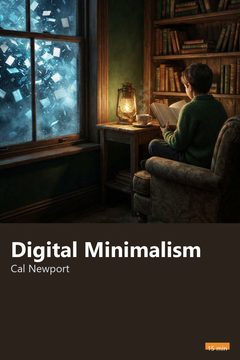
Digital Minimalism
Cal Newport
A free app doesn't make money when you use it well and stop: it makes money when you stay inside it as long as possible.
 16 min
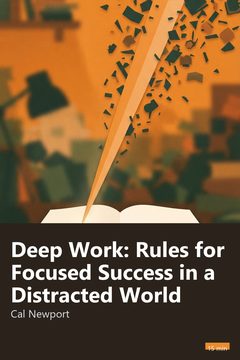
Deep Work: Rules for Focused Success in a Distracted World
Cal Newport
For any serious project, two hours of total attention are worth more than a whole day sliced up between messages, email, and meetings.
 15 min
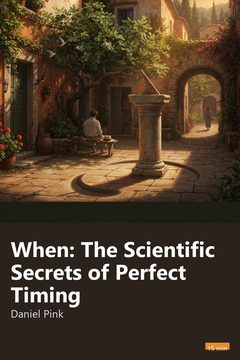
When: The Scientific Secrets of Perfect Timing
Daniel Pink
The time you pick to do a task weighs as much on the result as the effort you put into it.
 15 min
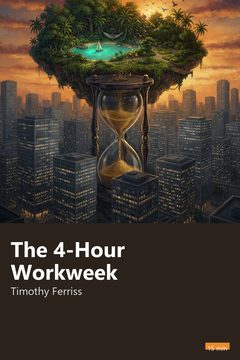
The 4-Hour Workweek
Timothy Ferriss
Free time spent afraid to decide is worth less than free time spent really living.
 15 min
Focus: The Hidden Driver of Excellence
Daniel Goleman
The body often warns you before your mind understands: noticing your own physical signal early gives you time to choose your reaction, instead of just suffering the consequence.
 17 min
The Checklist Manifesto: How to Get Things Right
Atul Gawande
People who know how to do something by heart are still vulnerable to forgetting an obvious step when they are under pressure, tired, or in a hurry.
 17 min
Indistractable
Nir Eyal
For the book, repeating "I have no willpower" becomes a self-fulfilling prophecy: the story you tell about yourself shapes what you do.
 16 min
The ONE Thing
Gary Keller and Jay Papasan
For the authors, the right question isn't what's left to do, but what, if done, makes everything else easier or even unnecessary.
 13 min
Hyperfocus
Chris Bailey
Every time you switch tasks, part of your attention stays behind, which is why a quick interruption usually costs far more than the time it takes.
 14 min
Four Thousand Weeks
Oliver Burkeman
According to the book, choosing one thing means giving up many others, and the discomfort of missing out on some of them is part of living well, not a sign that you made a mistake.
 16 min
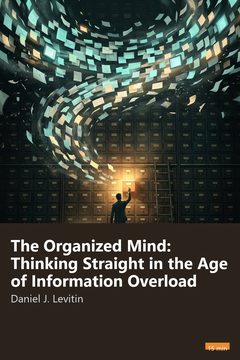
The Organized Mind: Thinking Straight in the Age of Information Overload
Daniel J. Levitin
Writing down your to-dos on a physical medium frees up your brain's working memory to solve problems instead of wasting energy just holding on to reminders.
 17 min
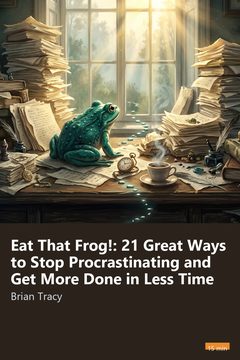
Eat That Frog!: 21 Great Ways to Stop Procrastinating and Get More Done in Less Time
Brian Tracy
Checking off a dozen minor tasks brings a false sense of relief that only delays the reckoning with that decisive obligation you avoided facing.
 17 min
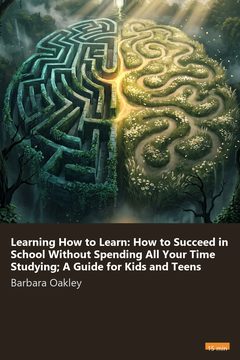
Learning How to Learn: How to Succeed in School Without Spending All Your Time Studying; A Guide for Kids and Teens
Barbara Oakley
Alternating between total concentration and moments of intentional distraction allows the mind to find solutions that forced focus cannot see.
 17 min
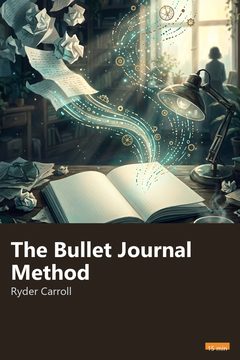
The Bullet Journal Method
Ryder Carroll
Tasks with no real purpose survive in your routine because keeping them out of habit takes less courage than deciding to eliminate them.
 15 min
Make Time
Jake Knapp & John Zeratsky
Modern routines push you into reacting to other people's requests instead of building your own day.
 16 min
5% More
Michael Alden
Small daily adjustments beat radical transformations because the brain accepts subtle improvements without triggering fear-based resistance.
 15 min
The Triad of Time
Christian Barbosa
Things that don't come with a deadline, like studying and taking care of your health, only happen when they get a scheduled slot on your calendar.
 16 min
Manage Your Day-to-Day
Jocelyn K. Glei & Scott Belsky
Setting aside a firm, nonnegotiable block at the very start of the workday protects your most complex projects from routine interruptions.
 15 min
Work the System
Sam Carpenter
The world around you is not random chaos, but a mechanism made up of thousands of mechanical systems that can be adjusted.
 15 min
Clockwork: Design Your Business to Run Itself
Mike Michalowicz
Stepping away for four consecutive weeks completely unplugged is the most honest test to expose bottlenecks and broken processes in any company.
 18 min
Stolen Focus: Why You Can't Pay Attention
Johann Hari
Switching between two complex tasks doesn't double your output; it merely spreads attention residue that degrades the quality of both.
 14 min
The 12 Week Year
Brian P. Moran & Michael Lennington
The authors argue that annual planning creates a false sense of having time to spare, while twelve-week cycles restore urgency from the very first Monday.
 16 min
The End of Procrastination
Petr Ludwig
In the book's view, your future self will be just as tired as you are today, so promising to start later only pushes the problem down the road.
 16 min
Slow Productivity: The Lost Art of Accomplishment Without Burnout
Cal Newport
Constant context switching fragments attention and exacts a biological toll that cuts real intelligence in half.
 13 min
Limitless
Jim Kwik
Beliefs like I just do not have a good memory work as self-fulfilling prophecies, because they keep a person away from exactly the practice that could change them.
 15 min
The Power of Full Engagement
Jim Loehr and Tony Schwartz
For the authors, performance works like a wave: intense effort followed by real recovery, not a straight line with no breaks.
 13 min
What the Most Successful People Do Before Breakfast
Laura Vanderkam
For the author, choosing a few goals for each area of life protects your schedule from urgent demands that fill the day without changing anything.
 14 min
Feel-Good Productivity
Ali Abdaal
Someone who thinks they are lazy often just does not know where to start or is afraid of getting it wrong.
 16 min
Shorter: Work Better, Smarter, and Less
Alex Soojung-Kim Pang
For the author, shortening the workweek only works when the work itself is redesigned, not when tasks simply pile up.
Productivity and Focus authors
Cal Newport · Alex Soojung-Kim Pang · Ali Abdaal · Atul Gawande · Barbara Oakley · Brian P. Moran · Brian Tracy · Charles Duhigg · Chris Bailey · Christian Barbosa · Daniel Goleman · Daniel J. Levitin · Daniel Pink · David Allen · Gary Keller · Greg McKeown · Hal Elrod · Jack Canfield, Mark Victor Hansen, · Jake Knapp · Jay Papasan · Jim Kwik · Jim Loehr · Jocelyn K. Glei · Johann Hari · John Zeratsky · Laura Vanderkam · Les Hewitt · Michael Alden · Michael Lennington · Mike Michalowicz · Nir Eyal · Oliver Burkeman · Petr Ludwig · Robin Sharma · Ryder Carroll · Sam Carpenter · Scott Belsky · Timothy Ferriss · Tony Schwartz
Journeys with Productivity and Focus books
Sequences of books that complete each other, to follow in the app.
💰 Get Out of Debt
Get your money organized, stop sinking deeper, and build your first safety cushion.
🎯 Focus and Productivity
Do fewer things, and do them well.
☀️ Mornings That Change Your Day
Start the day with action instead of procrastination.
😴 Truly Rest
Sleep better, breathe, and lower your stress (not a substitute for a doctor).
🛤️ Career Change
Switch fields without panic: find out what you want and take the first step.
🌅 Retirement and a New Phase
Take care of your money, health, and purpose after 50.
🔑 First Apartment and Adult Life
Home in order, bills paid, and a routine that fits your month.
📝 Study Smarter
Learn faster, stay focused, and remember what you studied.
Frequently asked questions
+Which productivity book should I read first?
Deep Work is a strong start if distraction is the problem. Essentialism helps if you feel busy but unfocused. If you want a calmer view of time, try Four Thousand Weeks. For a practical system for tasks, Getting Things Done.
+Do productivity books conflict with each other?
Often. Some push you to do more with your hours, while Four Thousand Weeks and Slow Productivity say to accept limits and do fewer things well. The summaries let you compare these views quickly so you can choose what fits your work and life.
+How does 15 Minutes work?
On this site you can see who each book is for, its key ideas and a preview of the summary. In the app you get the full summary as text, a quiz at the end of each book, guided Journeys and new books every week. The app is free to download and you can read one full book free every day. Premium: $19.99/year in the US (price shown in your App Store). Audio narration for the English summaries is coming soon.
Other categories
Productivity and Focus in your pocket
Full text summaries, a quiz at the end of each book and guided Journeys. New books every week.
Download the appFree to download • one full book free every day • Premium: $19.99/year in the US