The primitive brain facing the digital flood
Our brain evolved in an environment where stimuli were scarce. Our ancestors paid attention to very specific vital signs: the rustle of prey in the brush, a shift in the weather, or the expression on the group leader's face. The amount of new data they took in over several months could fit into what we now see before lunch just by scrolling on our phones.
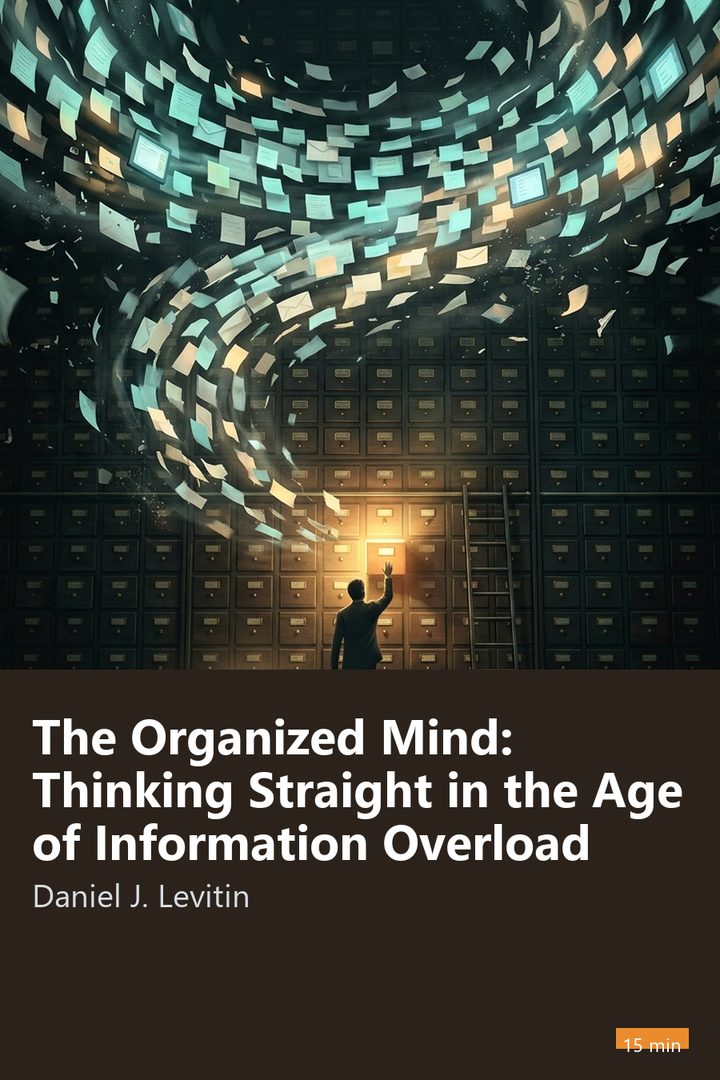
Today, the picture has flipped. Every minute brings text messages, breaking news, and notifications across dozens of open tabs. This constant bombardment creates what neuroscience calls cognitive overload: a saturation of biological networks that were never built to process so many simultaneous stimuli without taking a heavy toll on focus and energy.
In this saturated state, the feeling is one of paralysis and brain fog. We lose the ability to tell what is a priority from what is mere noise. Instead of consciously choosing our actions, we spend the day simply reacting to whatever alert just buzzed in our pocket.