
History
Best history books summarized in 15 minutes
Well-told history explains the present. This selection goes from the story of our species in Sapiens to the story of money in The Ascent of Money, through the trade routes of The Silk Roads, the road to world war in The Guns of August and The Sleepwalkers, and the Nazi regime in The Rise and Fall of the Third Reich.
Ancient Rome gets strong coverage in SPQR and Rubicon, and Russia in The Romanovs, Gulag, Stalingrad and Voices from Chernobyl. Killers of the Flower Moon and In the Garden of Beasts show how the past looks through individual stories. Brazil also has a place, with Laurentino Gomes's 1808, 1822 and 1889 and Brazil: A Biography, for readers who want that window too.
The summaries place each book in its time and, when relevant, note the criticism it has received. That matters for older classics, which many readers now approach with a more critical eye than their first audiences did, and it helps you read them in context.
History summaries
 15 min
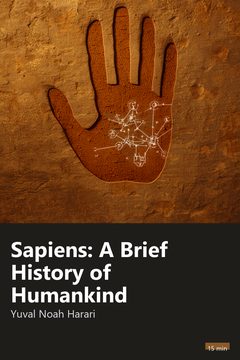
Sapiens: A Brief History of Humankind
Yuval Noah Harari
Science only picked up speed when scholars started admitting what they didn't know, instead of inventing an answer for everything.
 15 min
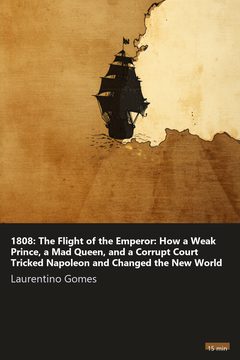
1808: The Flight of the Emperor: How a Weak Prince, a Mad Queen, and a Corrupt Court Tricked Napoleon and Changed the New World
Laurentino Gomes
A political decision that looks bold from a distance is often born of months of hesitation and outside pressure, not pure courage.
 17 min
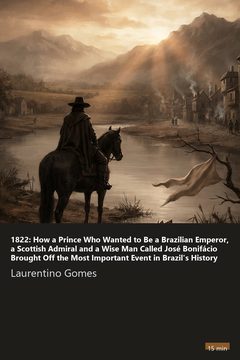
1822: How a Prince Who Wanted to Be a Brazilian Emperor, a Scottish Admiral and a Wise Man Called José Bonifácio Brought Off the Most Important Event in Brazil's History
Laurentino Gomes
A political gesture becomes a national symbol when it serves, at the same time, the interests of those in charge and of those who finance those in charge.
 17 min
1889
Laurentino Gomes
When the economic base that holds up a government changes hands, that base's political loyalty changes along with it, no matter how much rhetoric is used to claim otherwise.
 17 min
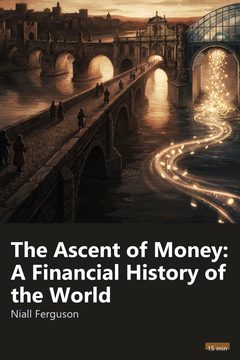
The Ascent of Money: A Financial History of the World
Niall Ferguson
For Ferguson, the interest a government pays to finance itself works like a daily thermometer of the market's confidence in that government's ability to pay its own bills.
 17 min
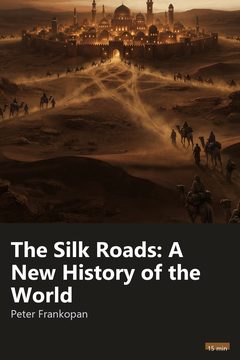
The Silk Roads: A New History of the World
Peter Frankopan
An empire that looks like nothing but destruction can also open a road: the Mongols killed a lot of people and still left trade safer than it was before the conquest.
 17 min
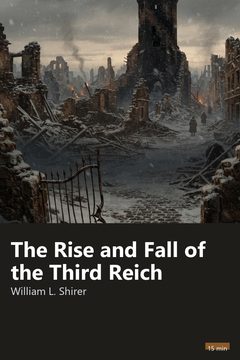
The Rise and Fall of the Third Reich
William L. Shirer
A whole country that is humiliated and out of work becomes fertile ground for any simple promise of pride and order restored, even when the bill that follows is monstrous.
 18 min
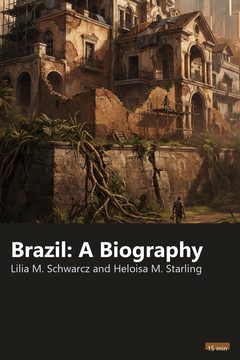
Brazil: A Biography
Lilia M. Schwarcz and Heloisa M. Starling
Slavery sustained the Brazilian economy for more than three centuries, which helps explain why inequality and racism did not disappear along with a law signed in 1888.
 17 min
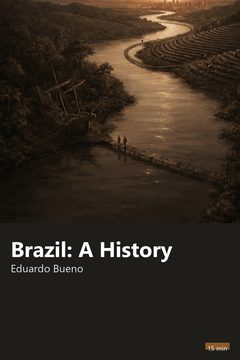
Brazil: A History
Eduardo Bueno
Handing an entire territory to whoever had the money to gamble on it alone looks practical on paper, but it almost always leaves the project hostage to whoever funded the bet, and that is what sank most of the hereditary captaincies.
 17 min
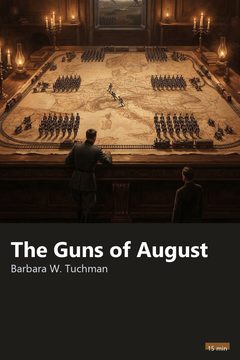
The Guns of August
Barbara W. Tuchman
Training a generation of officers to believe that fighting spirit can replace artillery is dressing up a gamble as strategy.
 16 min
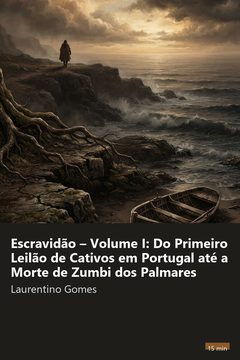
Escravidão – Volume I: Do Primeiro Leilão de Cativos em Portugal até a Morte de Zumbi dos Palmares
Laurentino Gomes
According to Gomes, slavery already existed in Africa before the European ship arrived, but the Atlantic trade turned it into a large-scale, permanent system based on race.
 17 min
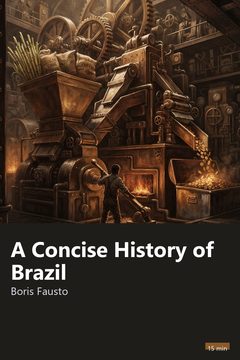
A Concise History of Brazil
Boris Fausto
The colonization of Brazil began as a commercial gamble by Portugal, not as a nation-building project, which explains why so many colonial decisions revolved around immediate profit for the crown.
 17 min
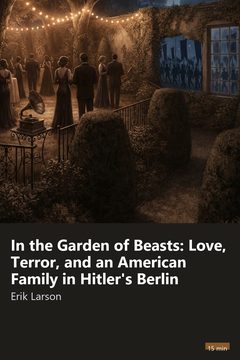
In the Garden of Beasts: Love, Terror, and an American Family in Hitler's Berlin
Erik Larson
A warning report only protects someone if the person receiving it is willing to read it as seriously as the person who wrote it.
 17 min
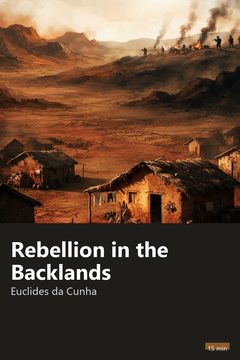
Rebellion in the Backlands
Euclides da Cunha
For Euclides, the geography of the Bahian backlands is not background scenery: it decides who can plant, who can move, and who can survive there.
 16 min
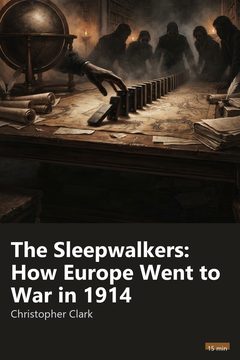
The Sleepwalkers: How Europe Went to War in 1914
Christopher Clark
For Clark, nearly the whole fate of the 1914 war was decided by a handful of ministers and generals shut away in rooms, answering to no parliament or public opinion.
 17 min
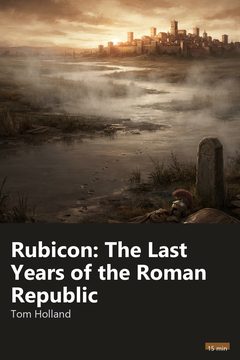
Rubicon: The Last Years of the Roman Republic
Tom Holland
A system of offices built to limit power only works as long as the competitors agree to wait their turn.
 17 min
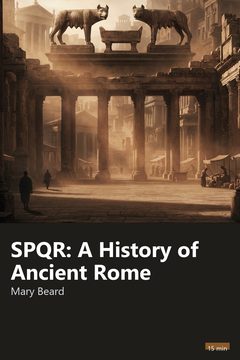
SPQR: A History of Ancient Rome
Mary Beard
For Beard, telling its own founding story with a fratricide inside the legend was no shame for Rome: it was a way of admitting, from the very first myth, that power there would come at a high price, even between brothers.
 16 min
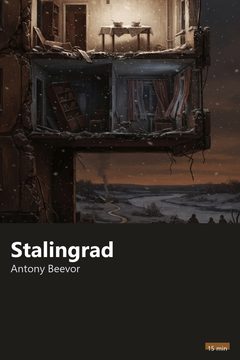
Stalingrad
Antony Beevor
The rat war, when the fighting moved into hallways and basements, erased the advantage of tanks and artillery and shrank the distance between enemies to a few feet of wall.
 14 min
The Mind of Adolf Hitler: The Secret Wartime Report
Walter C. Langer
Understanding how your adversary thinks can become part of strategy, but it only works if the sources are reliable.
 15 min
Bulfinch's Mythology
Thomas Bulfinch
Myths worked as science before science: Persephone's absence was one of the answers the ancients gave for the arrival of winter.
 19 min
Killers of the Flower Moon
David Grann
Legal mechanisms created under the pretext of protecting vulnerable citizens become efficient tools of spoliation when they strip away the autonomy of the very people they are meant to safeguard.
 20 min
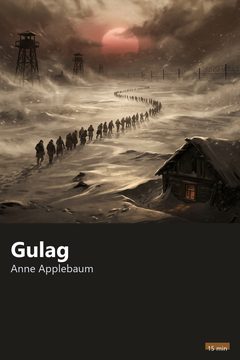
Gulag
Anne Applebaum
When an assigned identity weighs more than evidence, the person disappears behind the category used against them.
 20 min
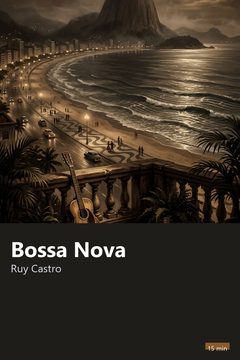
Bossa Nova
Ruy Castro
Creative freedom also depends on material conditions: having talent and having the space to experiment are two different things.
 20 min
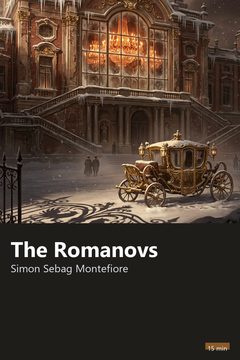
The Romanovs
Simon Sebag Montefiore
A transformation can expand the capacity of the state and, at the same time, increase the suffering of those who carry it out. Judging progress requires looking at both achievements and human costs.
 18 min
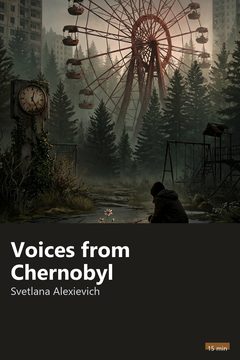
Voices from Chernobyl
Svetlana Alexievich
Listening to accounts that disagree can broaden our understanding without requiring every difference to be resolved.
 17 min
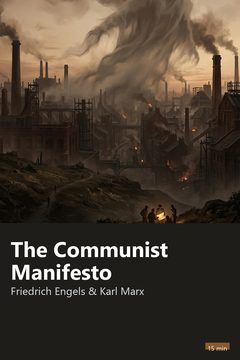
The Communist Manifesto
Friedrich Engels & Karl Marx
For the authors, class conflict isn't an isolated episode; it's the engine of history. That perspective explains more about change than a list of kings and battles.
 15 min
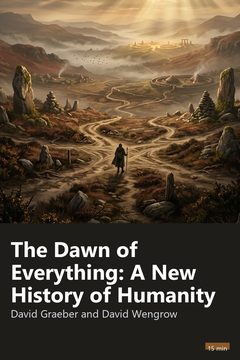
The Dawn of Everything: A New History of Humanity
David Graeber and David Wengrow
The authors argue that ideas of freedom and equality we attribute to the European Enlightenment were fueled by critiques from Indigenous thinkers in the Americas.
History authors
Laurentino Gomes · Anne Applebaum · Antony Beevor · Barbara W. Tuchman · Boris Fausto · Christopher Clark · David Graeber · David Grann · David Wengrow · Eduardo Bueno · Erik Larson · Euclides da Cunha · Friedrich Engels · Heloisa M. Starling · Karl Marx · Lilia M. Schwarcz · Mary Beard · Niall Ferguson · Peter Frankopan · Ruy Castro · Simon Sebag Montefiore · Svetlana Alexievich · Thomas Bulfinch · Tom Holland · Walter C. Langer · William L. Shirer · Yuval Noah Harari
Journeys with History books
Sequences of books that complete each other, to follow in the app.
🔭 Science Curiosity
The universe, evolution, and the history of humankind, 15 minutes each.
📚 Classics and Stories
Books that have crossed generations.
🇧🇷 Brazil in Books
Understand where Brazil came from and why it is the way it is.
📊 Understand the Economy
How money and people's choices move the world.
🏺 World History
From Rome and the czars to the wars that drew today's map.
🕰️ Witnesses to History
Survivor accounts that show what history did to real people.
✊ Voices Against Injustice
People and ideas that stood up to racism, tyranny, and blind obedience.
🗺️ Thinking Brazil
Classics and voices that explain where we came from and where the country is heading.
Frequently asked questions
+In what order should I read the Laurentino Gomes books?
Follow the chronology: 1808 (the Portuguese court arriving in Rio), 1822 (Brazilian independence) and 1889 (the end of the empire and the start of the republic). His book on slavery goes further back and shows the base of the colonial economy.
+Are there books on world history, not just Brazil?
Yes. Sapiens, The Silk Roads, The Ascent of Money, The Guns of August, The Rise and Fall of the Third Reich, In the Garden of Beasts and The Dawn of Everything are all here, among others.
+How does 15 Minutes work?
On this site you can see who each book is for, its key ideas and a preview of the summary. In the app you get the full summary as text, a quiz at the end of each book, guided Journeys and new books every week. The app is free to download and you can read one full book free every day. Premium: $19.99/year in the US (price shown in your App Store). Audio narration for the English summaries is coming soon.
Other categories
History in your pocket
Full text summaries, a quiz at the end of each book and guided Journeys. New books every week.
Download the appFree to download • one full book free every day • Premium: $19.99/year in the US