
Personal Development
Best personal development books summarized in 15 minutes
Personal development is the shelf most crowded with promises, which is why it needs the most filtering. This selection favors books that help you do something different tomorrow morning: building drive with Awaken the Giant Within, finding direction with Ikigai and The Defining Decade, or sharpening your thinking with The Art of Thinking Clearly and How to Decide.
It also covers courage and self-worth, with The Gifts of Imperfection, Rising Strong, The Courage to Be Disliked and The Six Pillars of Self-Esteem, plus creativity books like Big Magic, The War of Art and Steal Like an Artist. Alongside them sit the classics that started the genre, from Norman Vincent Peale and Napoleon Hill to Dale Carnegie, so you can see what is research and what is the author's opinion.
A 15-minute summary suits this category well. You read the core ideas, test one of them for a week and see whether it actually works for you. Only then do you decide whether the whole book deserves your time and attention.
Personal Development summaries
 15 min
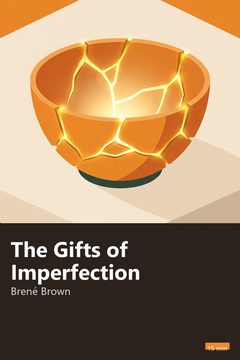
The Gifts of Imperfection
Brené Brown
Anyone who lets themselves be seen whole, fear and all, is showing the most real courage there is.
 15 min
The Courage to Be Disliked
Ichiro Kishimi and Fumitake Koga
Changing your life doesn't depend on understanding your entire past. It depends on deciding what to do with today.
 15 min
The Power of Positive Thinking
Norman Vincent Peale
If you spend years telling yourself you're bad at something, you avoid practicing exactly there, and you end up confirming your own fear.
 15 min
Outwitting the Devil
Napoleon Hill
People who never decide their own direction end up following the easiest one that shows up in front of them, day after day, without noticing.
 16 min
The Secret
Rhonda Byrne
Feeling like you already have the result before you act only helps when it is followed by a concrete action that same day; on its own, it is just a nice movie in your head.
 16 min
12 Rules for Life: An Antidote to Chaos
Jordan B. Peterson
Slumped shoulders and a wilted posture aren't just the result of a bad day, they help manufacture the next bad day too.
 15 min
The Life-Changing Magic of Tidying Up
Marie Kondo
Clutter that keeps coming back is a sign of the wrong method, not a lack of willpower.
 15 min
Big Magic: Creative Living Beyond Fear
Elizabeth Gilbert
Finishing an imperfect project teaches you more than keeping a perfect one locked in your head forever.
 15 min
Nonviolent Communication
Marshall B. Rosenberg
Every criticism you make is, deep down, a need of yours poorly translated into an attack.
 16 min
The Magic of Thinking Big
David J. Schwartz
The size of the goal you agree to chase tends to weigh more on the final result than the talent you were born with.
 15 min
The Road Less Traveled
M. Scott Peck
Discipline is not the opposite of freedom. It's what's left after you've already paid the bill for the problem instead of kicking it down the road.
 16 min
Beyond Order: 12 More Rules for Life
Jordan Peterson
Blaming the whole system is more comfortable than owning the small part that is under your control, but only the second one actually changes anything.
 16 min
Awaken the Giant Within
Tony Robbins
The question you repeat on autopilot decides the direction of your day before any fact even happens.
 15 min
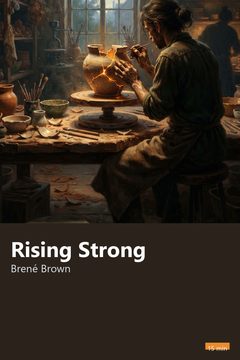
Rising Strong
Brené Brown
The fall doesn't get to choose its reason, but the way you explain it to yourself decides whether you get up fast or keep walking in circles.
 17 min
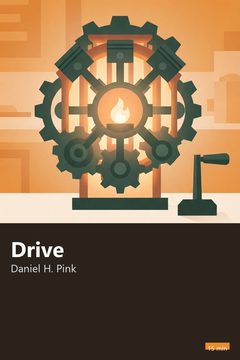
Drive
Daniel H. Pink
Promising a prize for finishing fast can speed up mechanical tasks, but it jams the very creativity a hard problem demands.
 15 min
Don't Sweat the Small Stuff
Richard Carlson
Almost every annoyance of the day feels huge in the moment and becomes a faded memory after a week.
 17 min
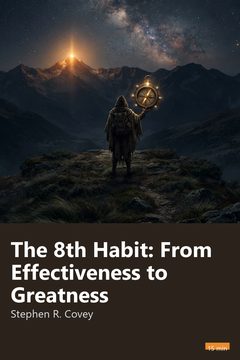
The 8th Habit: From Effectiveness to Greatness
Stephen R. Covey
Finding your own voice is not about discovering some special talent. It is about finding where what you do well meets a need the world genuinely feels.
 15 min
Who Moved My Cheese?
Spencer Johnson
Spotting a faint signal of change early gives you far more choices than waking up to the problem only after it has blown up.
 14 min
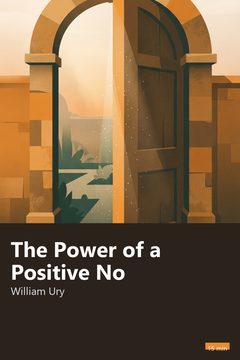
The Power of a Positive No
William Ury
A no that really works comes from a bigger yes, not from a desire to hurt someone or to dodge the conversation.
 16 min
The Tipping Point: How Little Things Can Make a Big Difference
Malcolm Gladwell
In a social epidemic, a small group of people with specific roles, the ones who connect, the ones who know what's worth it, and the ones who persuade, carries the weight of spreading the idea, not the general crowd.
 16 min
The Happiness Project
Gretchen Rubin
Happiness isn't a destination you reach one day. It's a way of organizing your everyday life that you practice every week.
 14 min
Originals: How Non-Conformists Move the World
Adam Grant
Feeling afraid before proposing a new idea is not a sign that you're unprepared, it's a sign that you're taking the risk seriously.
 15 min
The Six Pillars of Self-Esteem
Nathaniel Branden
Self-esteem isn't what other people say about you in the group chat. It's what you practice yourself when nobody is watching.
 16 min
Peak: Secrets from the New Science of Expertise
Anders Ericsson and Robert Pool
Doing the same task for twenty years without changing anything about it only teaches you to repeat it, not to improve.
 17 min
Unlimited Power
Anthony Robbins
Copying the step-by-step of someone who has already made it saves you years of trial and error, but it only works if you copy that person's whole behavior, not just the catchphrase they repeat on stage.
 16 min
Steal Like an Artist
Austin Kleon
Nobody creates from scratch: all work comes from mixing many influences, not from inspiration that appears out of nowhere.
 16 min
On Writing: A Memoir of the Craft
Stephen King
Rejection is not a sign that you should stop writing. It's just the most annoying stage of the process, one that almost everyone who gets published has gone through too.
 14 min
The Chimp Paradox
Steve Peters
Reacting fast is not the same as reacting right: the emotional impulse only wins because it arrives first, not because it knows more.
 13 min
Ikigai: The Japanese Secret to a Long and Happy Life
Héctor García and Francesc Miralles
Ikigai doesn't have to be big: a vegetable garden, an instrument, or the family lunch can already give your day direction.
 18 min
The Artist's Way
Julia Cameron
Pouring raw thoughts onto paper every morning clears mental noise before outside demands take control of your day.
 17 min
Self-Reliance
Ralph Waldo Emerson
According to the book, social life frequently demands silent concessions, pushing people to trade personal convictions for the comfort of immediate approval.
 16 min
The Subtle Art of Not Giving a F*ck
Mark Manson
According to the book, accepting that most people are average, yourself included, takes off the pressure to be extraordinary and frees up energy to practice what actually matters.
 14 min
The War of Art
Steven Pressfield
The feeling of fear that comes up before you start is usually a compass pointing toward the task that matters most.
 16 min
A Whack on the Side of the Head
Roger von Oech
Creating gets easier when you switch mental roles: exploring, imagining, evaluating, and taking action are different tasks, and trying to do them all at once gets in the way.
 17 min
The Like Switch
Jack Schafer
Lasting affection often grows from someone's steady, low-key presence, not from a loud effort to make an immediate impression.
 16 min
The Good Side of the Bad Side
Daniel Martins de Barros
Melancholy deliberately slows the body down after a defeat to keep us from pouring energy into paths that no longer work.
 15 min
Women Who Spark After 50
Aleta Norris
Waiting until retirement or your children's graduation to live fully robs you of the beauty of life's small, everyday joys.
 15 min
The Art of Non-Conformity
Chris Guillebeau
People who write their own goals down on paper stop living solely in reaction to whatever shows up along the way.
 15 min
The Art of Thinking Clearly
Rolf Dobelli
Money and time that are already gone belong to the past; sticking with a failed plan only transfers losses into the future.
 18 min
How Will You Measure Your Life?
Clayton M. Christensen
Hygiene factors like salary only keep dissatisfaction away, while intrinsic motivation is what makes someone truly love their work.
 17 min
How to Decide: Simple Tools for Making Better Choices
Annie Duke
After an event happens, the brain reconstructs memory to pretend the outcome was obvious and predictable right from the start.
 13 min
Choose Yourself
James Altucher
According to the book, body, emotions, mind, and spirit form a single unit: if one part collapses, the rest of your routine suffers along with it.
 16 min
Fluent in 3 Months: How Anyone at Any Age Can Learn to Speak Any Language from Anywhere in the World
Benny Lewis
Conversational fluency does not come from a perfect mastery of grammar rules, but from the courage to communicate and make mistakes from day one.
 16 min
Niksen: Embracing the Dutch Art of Doing Nothing
Olga Mecking
Truly resting means giving your mind a break without turning the moment into another task full of goals and demands.
 17 min
Get Better at Anything
Scott H. Young
Working memory is a narrow funnel that easily gets overloaded when we try to figure everything out without guided models.
 17 min
The Power of Moments: Why Certain Experiences Have Extraordinary Impact
Chip Heath & Dan Heath
People don't judge experiences by the total number of minutes, but by their peaks of intensity and the impression left by the ending.
 14 min
Supercommunicators
Charles Duhigg
Identifying whether a conversation is practical, emotional, or social is the essential first step for any effective dialogue.
 13 min
TED Talks: The Official TED Guide to Public Speaking
Chris Anderson
Eye contact and a sincere display of vulnerability disarm cynicism and open the audience's heart.
 13 min
You Can Heal Your Life
Louise Hay
In the book's view, the present moment is the only place you can take action, and any change in direction has to start there.
 16 min
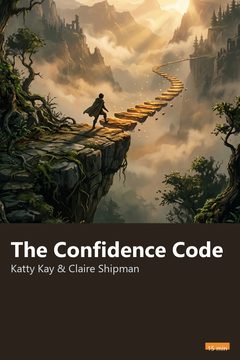
The Confidence Code
Katty Kay & Claire Shipman
Competence and confidence are two different things: one is knowing how to do something, the other is being willing to do it, and the job market usually rewards those who bring both together.
 15 min
The Defining Decade
Meg Jay
Early in your career, it pays to weigh what a job teaches you and who it introduces you to, not just the paycheck.
 14 min
The Writer's Journey
Christopher Vogler
When a character has both a flaw and a desire, the reader starts rooting for them even before the first adventure begins.
 14 min
Make Your Bed
William H. McRaven
Asking for help and helping others is what keeps the boat moving when the seas get rough.
 15 min
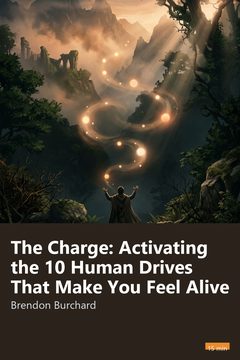
The Charge: Activating the 10 Human Drives That Make You Feel Alive
Brendon Burchard
A lack of motivation often isn't laziness: it's an important need that hasn't received enough attention.
 14 min
Magic Words: What to Say to Get Your Way
Jonah Berger
For the author, confidence in your words persuades when it has a real basis, and fake certainty costs you your reputation when it is found out.
 14 min
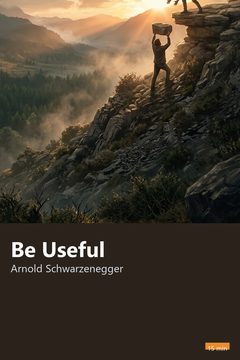
Be Useful
Arnold Schwarzenegger
Aiming too low limits the effort a person is willing to make before they even start trying.
 14 min
Ultralearning
Scott H. Young
Mapping out what you actually need to learn can save you months of studying the wrong subject.
 14 min
You Were Born Rich
Bob Proctor
For the author, the cycle of thinking, feeling, acting, and getting results shows that changing the outcome means changing the beginning of the chain.
Personal Development authors
Brené Brown · Scott H. Young · Adam Grant · Aleta Norris · Anders Ericsson · Annie Duke · Anthony Robbins · Arnold Schwarzenegger · Austin Kleon · Benny Lewis · Bob Proctor · Brendon Burchard · Charles Duhigg · Chip Heath · Chris Anderson · Chris Guillebeau · Christopher Vogler · Claire Shipman · Clayton M. Christensen · Dan Heath · Daniel H. Pink · Daniel Martins de Barros · David J. Schwartz · Elizabeth Gilbert · Francesc Miralles · Fumitake Koga · Gretchen Rubin · Héctor García · Ichiro Kishimi · Jack Schafer · James Altucher · Jonah Berger · Jordan B. Peterson · Jordan Peterson · Julia Cameron · Katty Kay · Louise Hay · M. Scott Peck · Malcolm Gladwell · Marie Kondo · Mark Manson · Marshall B. Rosenberg · Meg Jay · Napoleon Hill · Nathaniel Branden · Norman Vincent Peale · Olga Mecking · Ralph Waldo Emerson · Rhonda Byrne · Richard Carlson · Robert Pool · Roger von Oech · Rolf Dobelli · Spencer Johnson · Stephen King · Stephen R. Covey · Steve Peters · Steven Pressfield · Tony Robbins · William H. McRaven · William Ury
Journeys with Personal Development books
Sequences of books that complete each other, to follow in the app.
🔁 Habits That Stick
Swap willpower for a system: small habits that last.
💭 Wealth Mindset
Change your relationship with money before you change your balance.
💪 Self-Esteem and Courage
Accept yourself, take risks, and stop living to please others.
🌿 More Calm Every Day
Ideas for dealing better with worry (not a substitute for treatment).
🧠 How the Mind Works
Understand why we decide, feel, and repeat what we repeat.
🧭 The Leader Who Inspires
Lead people by example, not by title.
📣 Marketing That Works
Be remembered, be chosen, and be recommended.
🎨 Creativity Without Blocks
Create, show your work, and lose the fear of starting.
❤️ Better Relationships
Talk, understand each other, and care for the people close to you.
🏅 High Performance
Training, consistency, and what separates the best from the rest.
🧗 Career With Direction
Grow at work, change fields, and become indispensable.
🛤️ Career Change
Switch fields without panic: find out what you want and take the first step.
🌅 Retirement and a New Phase
Take care of your money, health, and purpose after 50.
🔑 First Apartment and Adult Life
Home in order, bills paid, and a routine that fits your month.
📝 Study Smarter
Learn faster, stay focused, and remember what you studied.
🔎 Self-Knowledge
Discover how you work, how you feel, and what really matters to you.
🏋️ Discipline in Practice
A strong mind and micro-discipline to keep the promises you make.
✨ Positive Mind and Success
The classics of positive thinking and success self-help, from Peale to Robbins.
Frequently asked questions
+Which personal development book should I read first?
The Gifts of Imperfection is a gentle start if fear of judgment holds you back. 12 Rules for Life is blunt and philosophical. For practical steps, Awaken the Giant Within and Ultralearning give you concrete methods to try.
+How do I apply what I read in these summaries?
Pick one idea per book and try it for a week. Each summary highlights the key ideas worth taking away, so you can choose quickly. Reading two books that complement each other, such as Drive and Peak, gives you a fuller picture than either alone.
+How does 15 Minutes work?
On this site you can see who each book is for, its key ideas and a preview of the summary. In the app you get the full summary as text, a quiz at the end of each book, guided Journeys and new books every week. The app is free to download and you can read one full book free every day. Premium: $19.99/year in the US (price shown in your App Store). Audio narration for the English summaries is coming soon.
Other categories
Personal Development in your pocket
Full text summaries, a quiz at the end of each book and guided Journeys. New books every week.
Download the appFree to download • one full book free every day • Premium: $19.99/year in the US