
Business
Best business books summarized in 15 minutes
The business books that last explain why some companies grow and others disappear. This selection mixes the methods founders use most, such as The Lean Startup, Zero to One and The Hard Thing About Hard Things, with classic strategy work by Michael Porter, Clayton Christensen and Jim Collins.
It also includes stories of real companies, told by people who were there or who dug in close: The Everything Store on Amazon, That Will Never Work on Netflix, No Rules Rules, Creativity, Inc., Business Adventures and Super Pumped on Uber. Operating ideas such as Measure What Matters and Only the Paranoid Survive sit alongside them.
In 15 minutes per book you can compare schools of thought that contradict each other and pick what fits your moment, whether you are starting a company, growing one that already exists, or simply trying to understand the one you work for.
Business summaries
 15 min
The Lean Startup
Eric Ries
A new company learns faster by testing small pieces of its idea with real people than by polishing a perfect plan inside a closed room.
 15 min
Zero to One: Notes on Startups, or How to Build the Future
Peter Thiel (with Blake Masters)
Companies that grow too fast trying to be everything to everybody end up fighting everybody on price, too.
 15 min
Good to Great: Why Some Companies Make the Leap... and Others Don't
Jim Collins
A company that lives content with average results rarely feels any real reason to chase a truly big leap.
 15 min
Built to Last
Jim Collins and Jerry I. Porras
What holds a company together for decades is not that brilliant spark at the beginning, it's having turned into a factory of new sparks.
 16 min
The Art of the Start 2.0
Guy Kawasaki
A business that exists only to make a profit earns less than a business that also solves a real problem for someone.
 15 min
The Hard Thing About Hard Things
Ben Horowitz
Company culture is not the nice value on the wall. It is the choice a manager makes when following that value really costs something.
 16 min
Blue Ocean Strategy
W. Chan Kim and Renée Mauborgne
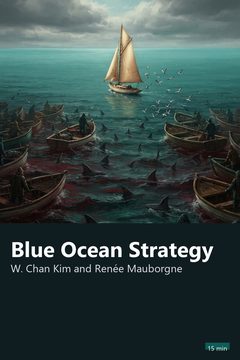
Going head to head in a fight where everyone already knows the rules cuts your margin until all that's left is exhaustion.
 16 min
Blitzscaling
Reid Hoffman and Chris Yeh
Growing fast only pays off when a real network effect exists: without one, speed is just spending money faster.
 15 min
How the Mighty Fall
Jim Collins
Success becomes a blind spot the moment the team starts treating what worked as natural talent, and not as a specific decision made at a specific moment.
 16 min
Mastering the Rockefeller Habits
Verne Harnish
Agreeing every day, in fifteen minutes, on what got stuck yesterday prevents a good share of those two-hour meetings at the end of the month.
 16 min
That Will Never Work: The Birth of Netflix and the Amazing Life of an Idea
Marc Randolph
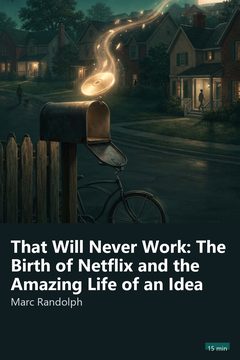
No business idea is proven in a conference room; it is only proven when an outsider with no obligation decides to pay for it.
 17 min
The Innovator's Dilemma
Clayton M. Christensen
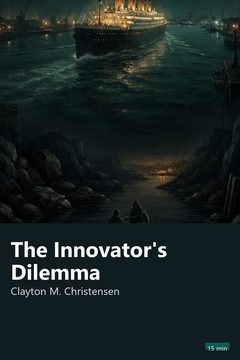
The biggest risk for leaders today is not the obvious, strong competitor. It's the small, ignored one aiming at a customer nobody at the top is fighting over.
 17 min
Dream Big
Cristiane Correa
Cutting waste for real means looking at every expense as if it didn't exist yet and asking whether you would create it today, not just trimming a percentage off what's already there.
 15 min
The E-Myth
Michael E. Gerber
Being very good at doing a job is not the same as knowing how to build a business around that job.
 16 min
The Art of War
Sun Tzu
Winning without having to fight is always cheaper than winning after you've destroyed both sides.
 17 min
The Everything Store
Brad Stone
The biggest risk to a business that's working isn't competition from outside, it's complacency from inside, which is why Bezos treated every day as if it were the first.
 16 min
The Goal: A Process of Ongoing Improvement
Eliyahu M. Goldratt
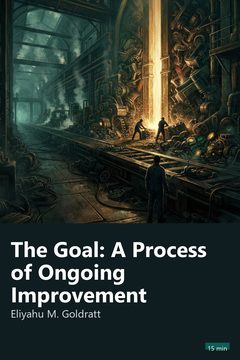
Counting miles driven or hours worked proves nothing if nobody paid for any of it in the end.
 16 min
Competitive Strategy: Techniques for Analyzing Industries and Competitors
Michael E. Porter
Competition doesn't come only from people selling what you sell: suppliers, customers, substitutes and new entrants are all fighting for the same slice of profit.
 15 min
Let My People Go Surfing
Yvon Chouinard
Hiring people who already live the company's values outside of work saves you an entire manual of rules and policing.
 14 min
The Effective Executive
Peter Drucker
Effectiveness is a set of habits you learn by practicing, not a talent reserved for people who were born with a knack for being the boss.
 16 min
The Practice of Management
Peter F. Drucker
Profit is the thermometer of a business, not its destination: it shows today's temperature, not where the company should be headed tomorrow.
 14 min
Play Nice But Win
Michael Dell
Past success becomes a blind spot: what made the company grow can be exactly what keeps it from seeing the change coming.
 17 min
No Rules Rules
Reed Hastings and Erin Meyer
Treating your staff like a high-performance sports team rather than a family helps keep the work focused on competence and results, not emotional attachment.
 18 min
Creativity, Inc.
Ed Catmull
Technical critique works best when the people evaluating the project have no hierarchical power to force mandatory changes on the team.
 17 min
Measure What Matters
John Doerr
Wanting to do everything with good intentions is no substitute for the clarity of knowing exactly which number needs to change and by when.
 18 min
The $100 Startup
Chris Guillebeau
A skill gains commercial meaning when it meets a problem that someone considers important to solve.
 19 min
Behind the Cloud
Marc Benioff & Carlye Adler
Business revolutions are born from the courage to turn expensive, inaccessible products into simple services delivered as a basic utility.
 16 min
Grow to Greatness
Edward D. Hess
Growing too fast without prior structure usually bankrupts more businesses than a lack of new customers.
 15 min
Hustle
Neil Patel, Patrick Vlaskovits & Jonas Koffler
Deliberate, sustainable action should never be confused with the blind exhaustion of working until physical collapse without a clear direction.
 15 min
Jobs to Be Done: Theory to Practice
Anthony W. Ulwick
Basic human needs remain constant over time, while the tools created to meet them change rapidly.
 16 min
Making Meaning
Darrel Rhea & Nathan Shedroff & Steve Diller
Businesses that compete on low prices alone become commodities and lose customer loyalty.
 17 min
Mobilized
SC Moatti
Beauty in a mobile app lies not in visual flourishes, but in how smoothly and intuitively it responds to your fingertips.
 15 min
Service Design
Andy Polaine
A product ends when the box is delivered, while a service comes to life when the customer tries to solve a real problem in daily routine.
 14 min
The 33 Strategies of War
Robert Greene
According to the author, groups that agree too quickly lose the ability to see what is wrong.
 18 min
Super Pumped: The Battle for Uber
Mike Isaac
Invading regulated markets through multibillion-dollar subsidies creates rapid public dependency before government authorities can organize a legal response.
 14 min
The Ultimate Question 2.0
Fred Reichheld
A high average score can hide a real drop if many customers landed in the middle range.
 14 min
Business Adventures
John Brooks
A great invention can fail if nobody understands the problem it solves, and a smart sales model matters just as much as the technology.
 15 min
Crossing the Chasm
Geoffrey A. Moore
Early buyers want to stand out, while later buyers want to fit in: treating both groups the same way is a recipe for frustration.
 16 min
Alibaba's World
Porter Erisman
Adapting the digital interface to local cultural negotiation habits beats any million-dollar standardized marketing campaign.
 15 min
Predictable Revenue
Aaron Ross and Marylou Tyler
Mixing prospecting and closing in the same person tends to push prospecting to the back of the line.
 14 min
Delivering Happiness
Tony Hsieh
In the author's view, happiness at work comes down to autonomy, progress, connection, and meaning.
 14 min
Wikinomics
Don Tapscott & Anthony D. Williams
According to the book, open competitions allow people outside an industry to spot solutions that in-house experts have missed.
 16 min
The Founder's Mentality
Chris Zook and James Allen
According to the authors, growth takes a toll on attention, and those who do not guard against this trade clarity of purpose for paperwork.
 13 min
Who Gets What, and Why
Alvin E. Roth
An arrangement is stable when no one has an incentive to leave their match for someone else who also prefers them, and the deferred acceptance method aims to produce that outcome.
 16 min
Good Strategy Bad Strategy
Richard Rumelt
Without the courage to name the problem, any action seems reasonable and none actually solves it.
 14 min
Rebel Ideas: The Power of Diverse Thinking
Matthew Syed
According to the book, mostly homogeneous groups accumulate information while losing perspective, a risk for any team that thinks it is smart.
 15 min
Playing to Win
Roger L. Martin
According to the authors, strategy is an integrated set of choices in which each answer narrows down the next one.
 16 min
The Minimalist Entrepreneur: How Great Founders Do More with Less
Sahil Lavingia
For the author, a business starts with a group of people you know, not a brilliant idea.
 14 min
The McKinsey Way
Ethan M. Rasiel
According to the book, starting with a working hypothesis speeds up the search, as long as you're willing to discard it when the data tells a different story.
 14 min
What's Mine Is Yours
Rachel Botsman and Roo Rogers
According to the book, four forces drove collaborative consumption: the value of community, real-time networks, environmental pressure, and the economic crisis.
 14 min
What the CEO Wants You to Know: How Your Company Really Works
Ram Charan
Unsold inventory and sales on credit are forms of frozen cash, and every day shaved off the wait gives your cash position more breathing room.
 16 min
Bold
Peter H. Diamandis & Steven Kotler
For the authors, curiosity, passion, and persistence are attitudes you can practice, not gifts reserved for a select few.
 13 min
Way of the Wolf
Jordan Belfort
The customer's decision depends less on the most brilliant argument and more on the point where their trust is still low.
 13 min
Think Like Amazon: 50 1/2 Ideas to Become a Digital Leader
John Rossman
According to the author, a project without a clearly defined owner tends to stall, and clarity about who is accountable for the whole speeds up results.
 14 min
Only the Paranoid Survive
Andrew S. Grove
For Grove, an inflection point is the moment when the old way of competing stops working, even if the business is still turning a profit.
 13 min
You Can Negotiate Anything
Herb Cohen
For the author, a negotiator's power depends largely on what the other side believes they have, and preparation can help build that belief.
Business authors
Jim Collins · Aaron Ross · Alvin E. Roth · Andrew S. Grove · Andy Polaine · Anthony D. Williams · Anthony W. Ulwick · Ben Horowitz · Brad Stone · Carlye Adler · Chris Guillebeau · Chris Yeh · Chris Zook · Clayton M. Christensen · Cristiane Correa · Darrel Rhea · Don Tapscott · Ed Catmull · Edward D. Hess · Eliyahu M. Goldratt · Eric Ries · Erin Meyer · Ethan M. Rasiel · Fred Reichheld · Geoffrey A. Moore · Guy Kawasaki · Herb Cohen · James Allen · Jerry I. Porras · John Brooks · John Doerr · John Rossman · Jonas Koffler · Jordan Belfort · Marc Benioff · Marc Randolph · Marylou Tyler · Matthew Syed · Michael Dell · Michael E. Gerber · Michael E. Porter · Mike Isaac · Nathan Shedroff · Neil Patel, Patrick Vlaskovits · Peter Drucker · Peter F. Drucker · Peter H. Diamandis · Peter Thiel · Porter Erisman · Rachel Botsman · Ram Charan · Reed Hastings · Reid Hoffman · Renée Mauborgne · Richard Rumelt · Robert Greene · Roger L. Martin · Roo Rogers · Sahil Lavingia · SC Moatti · Steve Diller · Steven Kotler · Sun Tzu · Tony Hsieh · Verne Harnish · W. Chan Kim · Yvon Chouinard
Journeys with Business books
Sequences of books that complete each other, to follow in the app.
🚀 Start a Business From Scratch
From idea to first customer, without romanticizing the road.
🏢 Inside Great Companies
What made some companies grow and others fall.
🛤️ Career Change
Switch fields without panic: find out what you want and take the first step.
⚙️ Management Behind the Scenes
How real companies organize people, goals, and strategy.
🏭 Entrepreneur Biographies
How great founders started small, made mistakes, and built empires.
♟️ How Power Works
Geography, politics, and markets: who runs the world and why.
Frequently asked questions
+Which business book should I read to start a company?
The Lean Startup teaches you to test an idea before spending much on it. The E-Myth warns about becoming trapped inside your own business. Zero to One pushes you to think about building something truly new, and The $100 Startup shows how small ventures get going.
+Where do marketing and sales books go?
They have their own category, with titles like Positioning, Purple Cow, This Is Marketing and Never Split the Difference. Here in Business you will find strategy, innovation, management and the stories behind well-known companies.
+How does 15 Minutes work?
On this site you can see who each book is for, its key ideas and a preview of the summary. In the app you get the full summary as text, a quiz at the end of each book, guided Journeys and new books every week. The app is free to download and you can read one full book free every day. Premium: $19.99/year in the US (price shown in your App Store). Audio narration for the English summaries is coming soon.
Other categories
Business in your pocket
Full text summaries, a quiz at the end of each book and guided Journeys. New books every week.
Download the appFree to download • one full book free every day • Premium: $19.99/year in the US