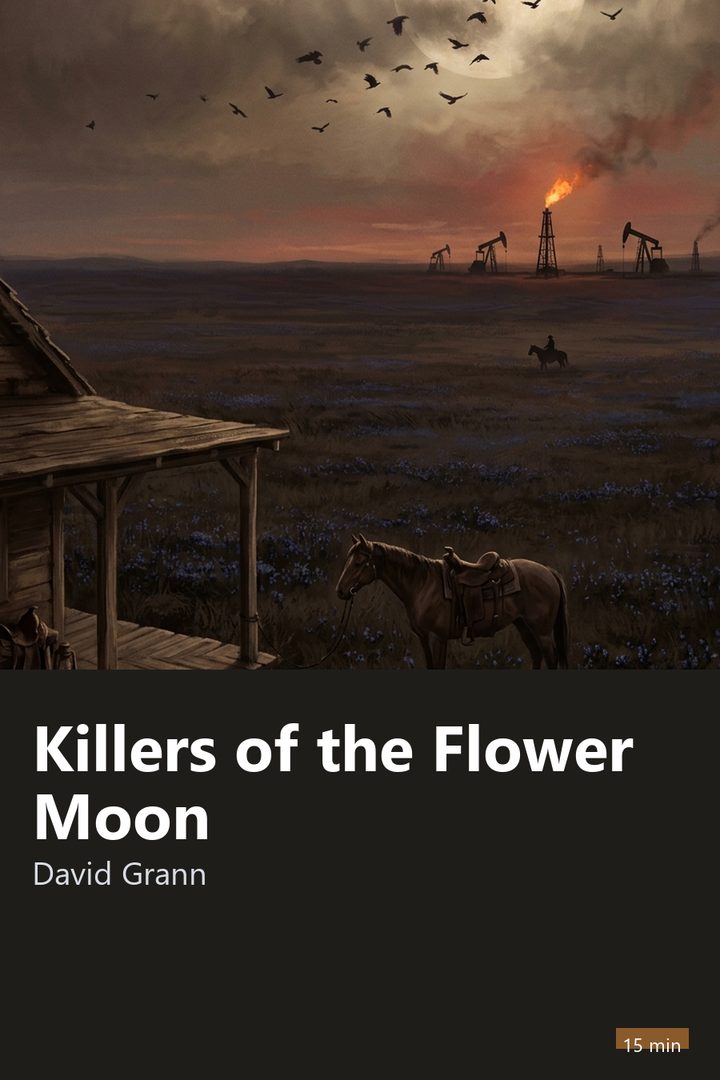
The sudden bonanza beneath the barren Osage land
In the late nineteenth century, after removals carried out by the U.S. government, the Indigenous people of the Osage Nation were pushed onto a rocky territory in northeastern Oklahoma. It looked like worthless land, but when negotiating the reservation treaty, tribal leaders secured a decisive clause: all subsurface mineral wealth would belong communally to the members of the tribe.
Two decades later, the discovery of gigantic oil deposits turned that stony soil into one of the largest reserves in North America. Under the established system, extraction companies bid at auctions for drilling rights and paid hefty royalties per barrel extracted. Every quarter, these fortunes were distributed to tribal members, making the Osage the richest people per capita in the world during the 1920s.
This financial turnaround drew the spotlight of the press and the resentment of neighboring states. New York newspapers published sensationalist stories describing mansions, carriages, and expensive automobiles bought by Indigenous families. The leasing of oil wells poured in millions of dollars, but this opulence stirred up deep racial resentment in a society built on white supremacy.