A house that doesn't belong to the daughters
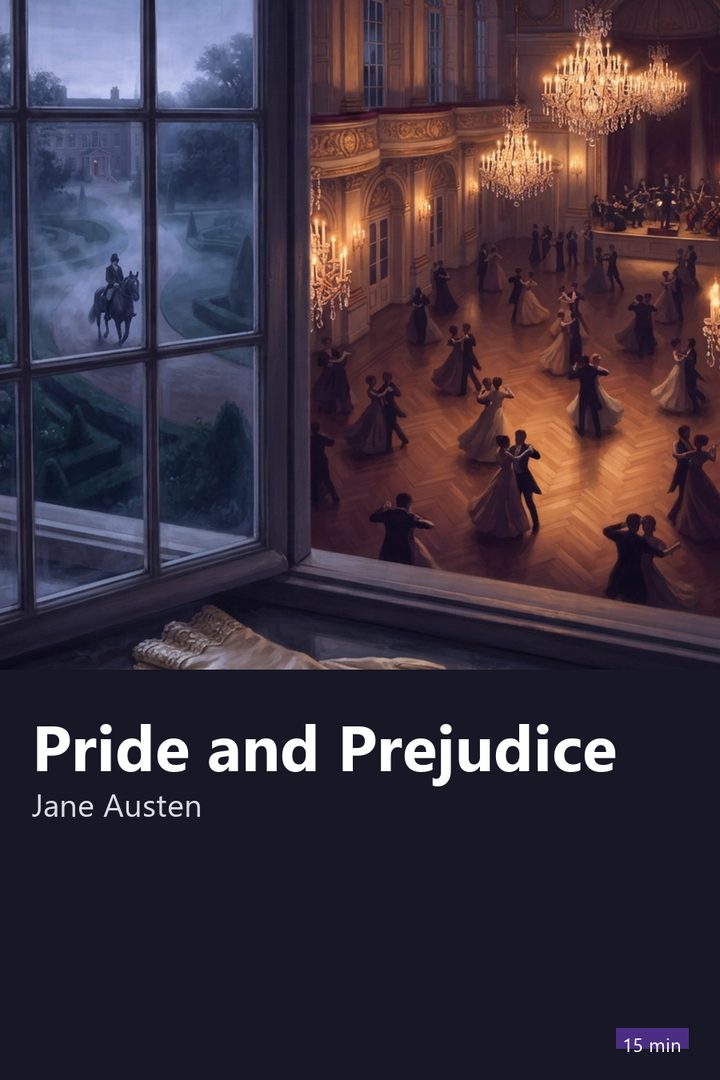
The Bennet family lives at Longbourn with five daughters: Jane, Elizabeth, Mary, Kitty and Lydia. The father, Mr. Bennet, has a modest income; the mother, Mrs. Bennet, is obsessed with marrying off her daughters as soon as possible, and the reason isn't just vanity.
There's a legal problem behind this hurry: the Longbourn estate follows a system called entail, which only allows a male heir. When Mr. Bennet dies, the whole house goes to a distant cousin, Mr. Collins, and none of the five daughters has an automatic right to anything.
It's as if the family's lease said the property passes to a third-degree nephew as soon as the leaseholder dies, and the widow had to fend for herself. Marrying well, here, isn't a romantic dream: it's the only insurance against being left without a home.
This financial backdrop explains almost every marriage decision in the book. Before judging any character for choosing security over passion, it's worth remembering that the choice not to marry carried a real price.