15 Minutes
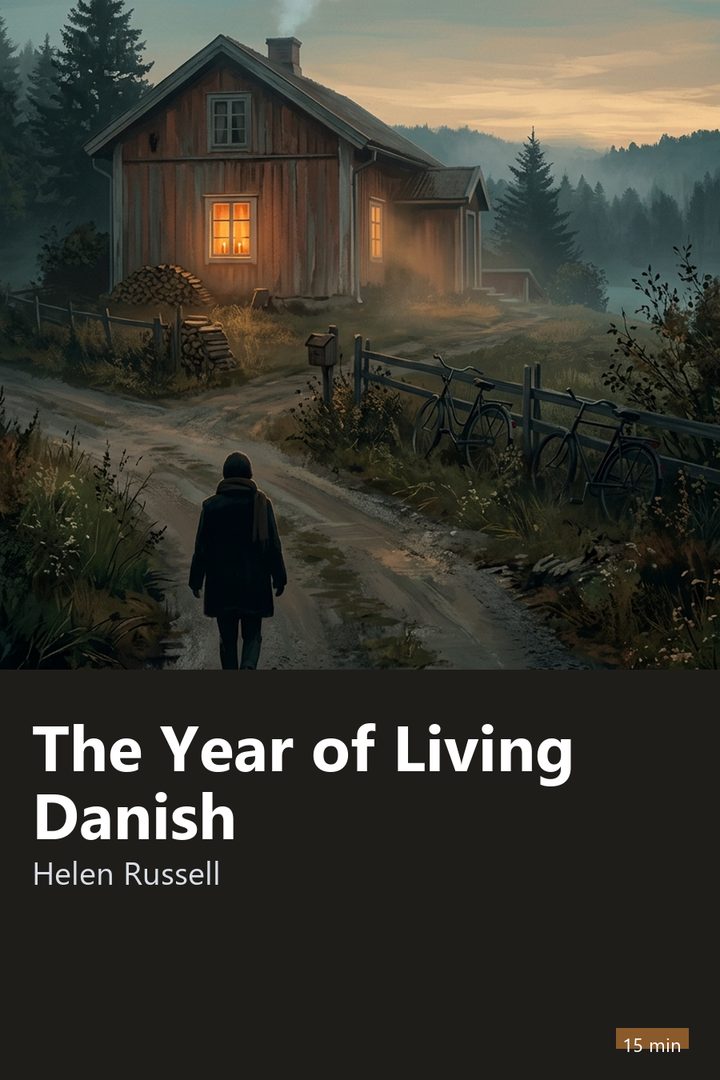
Cover of The Year of Living Danish

Economy and Society · 14 min

The Year of Living Danish

Helen Russell · 2015

Who it's for

For you if you're always rushing around, complaining about traffic and taxes, and wondering why some countries seem more relaxed. This is a lighthearted, funny account of a year in Denmark, ideal for anyone who enjoys comparing cultures.

Read it in the app

⚡ Free to download • 🎁 One full book free every day

🎧 Audio coming soon in the app

Narration for the English summaries is on its way. Meanwhile you can read the full summary in the app.

3 ideas to take with you

1

For the author, Danish happiness has less to do with an upbeat outlook and more to do with fewer worries about basics like healthcare, education, and old age.

2

Trust works like infrastructure: when you believe other people will keep their word, you spend less energy protecting yourself and questioning their intentions.

3

A culture that values modesty reduces comparison and status anxiety, but it can weigh heavily on people whose ambitions fall outside the norm.

“
Coziness doesn't require money: soft lighting, a simple table, and people you love are enough for a good afternoon.
An idea from The Year of Living Danish, in the words of 15 Minutes

Preview

Start reading now

From London to the Middle of Nowhere in Jutland

The book's premise is simple and a little wild. Helen Russell, a British journalist with a magazine career in London, watches her husband receive a job offer from Lego and agrees to leave the busy British capital behind for Billund, a small town in rural Denmark. She leaves the newsroom's pace, her friends, and the comfort of familiar surroundings, landing somewhere the biggest topic of conversation seems to be the weather.

Like any good reporter, she turns that initial shock into a question: if Danes so often top international happiness rankings, what do they know that the rest of the world doesn't? The plan is to spend a full year there, month by month, observing, making mistakes, and taking notes. The book is a diary of that experience, told with humor and without pretending to be an expert.

Imagine someone moving from New York City to a small town in another state, knowing no one, and deciding to find out why everyone there seems so relaxed. The culture shock provides plenty of laughs, but also honest comparisons with life before the move. That mix of curiosity and discomfort is what keeps you reading.


Why Denmark Keeps Topping the Happiness Rankings

Before exploring local habits, it helps to understand what's being measured. Happiness rankings ask people how they evaluate their own lives and compare those answers with factors like income, health, social support, freedom of choice, and trust in institutions. Denmark usually does well on nearly all these measures at once, and that combination is what the author tries to unpack.

She talks with researchers and ordinary people, gradually developing an idea that runs throughout the book: happiness there isn't euphoria, but a steady, almost understated sense of satisfaction. It's not about laughing all the time. It's about having fewer reasons to worry about basics like healthcare, your children's education, and growing old.

For American readers, the difference is striking. Here, plenty of people carry the weight of health insurance bills, tuition payments, and the fear of losing their income. When those fears shrink, there's more mental space for other things. Gradually, the book makes the case that the secret has more to do with structures than with attitude.

Darkness, Candles, and the Comfort Called Hygge

Danish winters are long and dark, with days when the sun barely appears. The author describes how these conditions, rather than leaving everyone depressed, have fostered a culture of warmth and welcome. The word that captures it is hygge, something like coziness: lit candles, soft lighting, a blanket, warm food, and people you love nearby.

What's interesting is that hygge doesn't cost much or require a trip. A table with coffee, cake, and unhurried conversation is enough. Danes are among the world's biggest candle users, and the book shows that this is part of a ritual of caring for your surroundings and the people in them, not creating a magazine-worthy interior.

You can translate this into everyday life: afternoon coffee at Grandma's house, a leisurely Sunday cookout, or friends playing guitar in the backyard. When you turn off the TV, dim the harsh lights, and sit down with people who matter, you're practicing your own local version of the same idea. The lesson is to make coziness a regular ritual instead of waiting for it to happen by chance.

11 more sections and the quiz

Continue in the app

Read the whole summary, finish with the The Year of Living Danish quiz and follow the guided Journeys. No ads in the app.

About Helen Russell

Helen Russell is a British journalist and former editor at Marie Claire magazine in London. She moved with her husband to Jutland, Denmark, when he received a job offer from Lego. That experience became this book, which went on to become an international success. She is also the author of The Atlas of Happiness, about happiness in different countries.

Explore