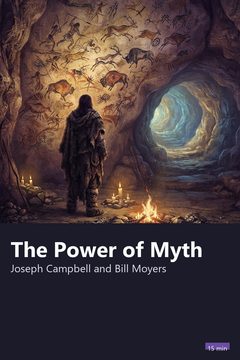
One story, a thousand faces
Joseph Campbell asked a bold question: what if hero stories from very different cultures were, deep down, variations of a single one? After years of comparative mythology, reading myths from dozens of peoples, he presented in 1949 the idea of the monomyth, a basic plot that keeps coming back in different clothes, from Buddha to Moses, from Prometheus to Osiris.
The title gives it away: the hero with a thousand faces is the same traveler wearing different masks. The name, the place, the era and the weapon change, but the script of transformation repeats. Someone leaves the ordinary world, faces something unknown, is transformed and comes back with something to offer.
This matters even to people who don't care about myth. Campbell suggests that these stories work as maps of human life, and that recognizing the script helps us understand moments of change. One distinction is worth making right away: the description of the patterns is the strongest part of the book, and the claim that they are universal is the most debated.