After 1848: The Revolution That Went Wrong
The book begins where the previous one left off. In 1848, Europe had experienced a wave of uprisings, and all of them failed in one way or another. Conservative governments regrouped, and the revolutionaries were imprisoned, exiled, or disillusioned. Hobsbawm sees a turning point here: the people lost the streets, but money won the century.
Interestingly, the political winners ended up doing much of what the defeated side had demanded. Conservative governments adopted liberal measures, opened up trade, and encouraged business. Politics grew calmer, and the energy that had once gone into barricades was redirected toward railroads, banks, and factories.
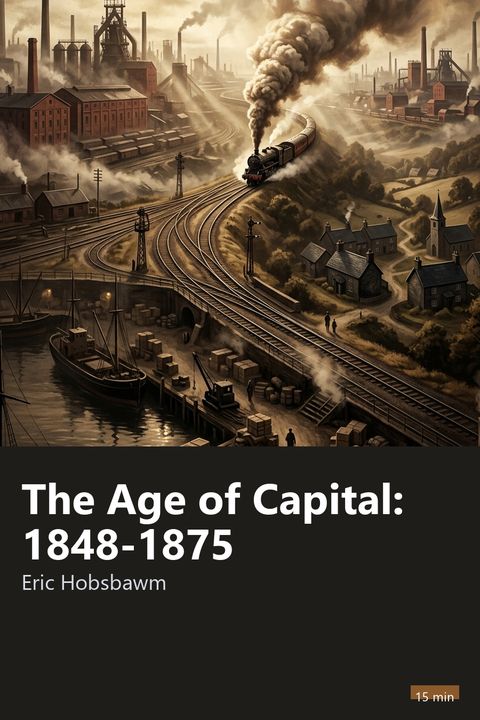
That sets the tone for the period: a society that, weary of conflict, decided to put its faith in getting rich. The book's title, The Age of Capital, captures the idea: capital, money invested to generate more money, came to govern the lives of entire countries.