Nobody invented the computer alone
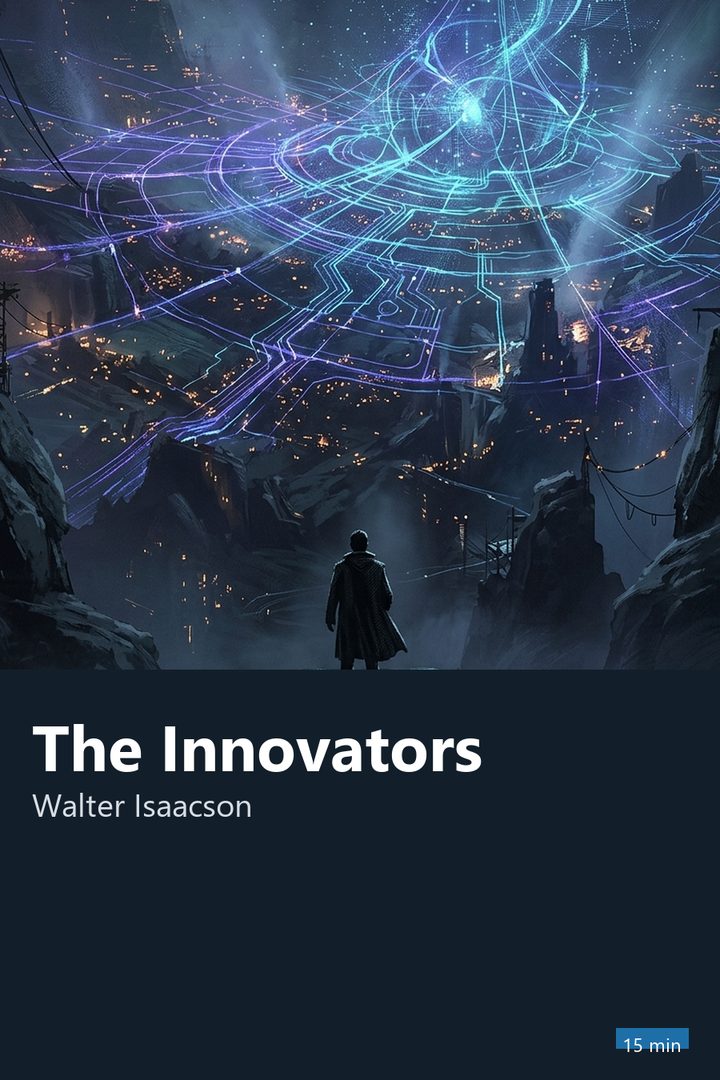
The image we carry in our heads is that of the lone genius: a guy in a garage, an idea that falls from the sky, a fortune at the end. Walter Isaacson spent years interviewing people from the digital era and reached the opposite conclusion. The revolution of computers, phones, and the internet came out of teams, networks of friends, and rivals who copied each other, corrected each other, and sometimes sued each other.
The book tells this story in waves, from the first woman to glimpse what a calculating machine could become to the founders of Google and Wikipedia. In nearly every chapter the same pattern shows up: someone has the vision, someone else knows how to build, and a third person knows how to organize the crew and sell the idea. When one of those pieces is missing, the invention stays in the drawer.
That's why he insists on telling many people's stories, not just the famous names. Think of a weekend project with friends from the neighborhood: nobody does everything, but everybody changes the outcome. For Isaacson, the digital world works like that, only on the scale of decades and countries.