1. A Home Ready to Welcome Others
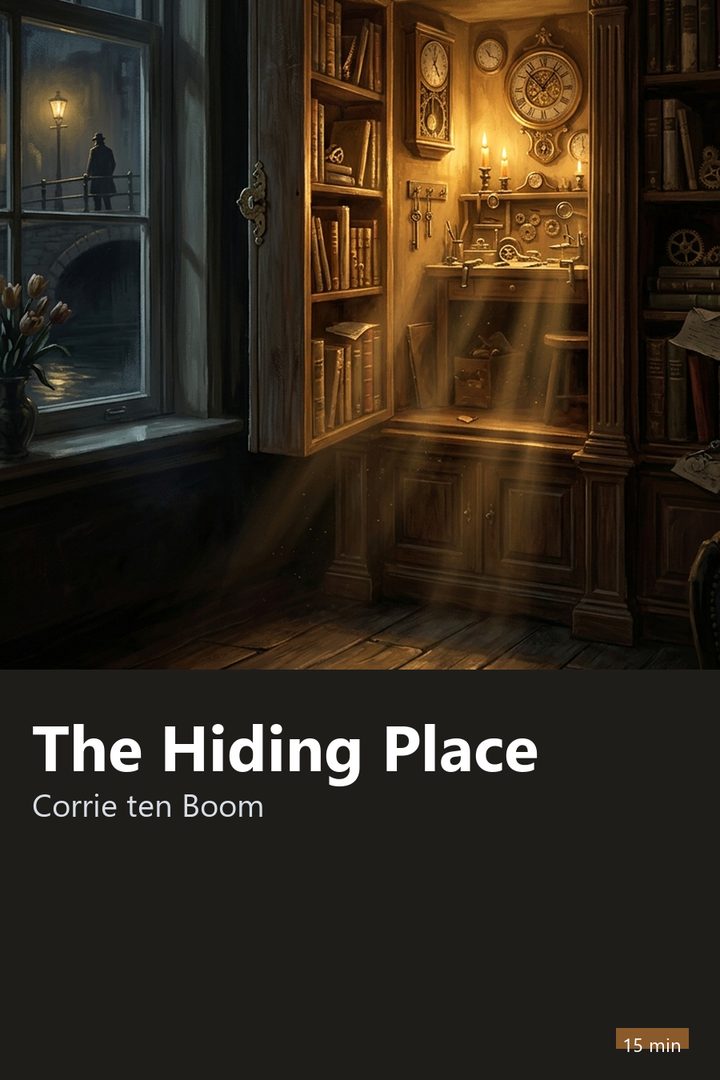
Before becoming a hiding place, the ten Boom home in Haarlem, in the Netherlands, was a combination of family residence, watch shop, and gathering place. Corrie presents this setting as a school of hospitality. Her father, Casper, treated visitors with care, even when doing so brought no money or business advantage.
The family practiced a Christian faith rooted in everyday life, not just religious ceremonies. Conversations, meals, and small acts of service taught them that a person mattered more than their social standing. This background helps explain later decisions: welcoming people facing persecution did not come out of nowhere when war finally arrived.
You might picture a home where there is always room for one more at the table, despite a tight paycheck. The difference is that this everyday openness would face extreme consequences. From the beginning, the book asks what happens when values nurtured in safety demand choices under real threat. At the kitchen table, the answer starts small.