15 Minutes
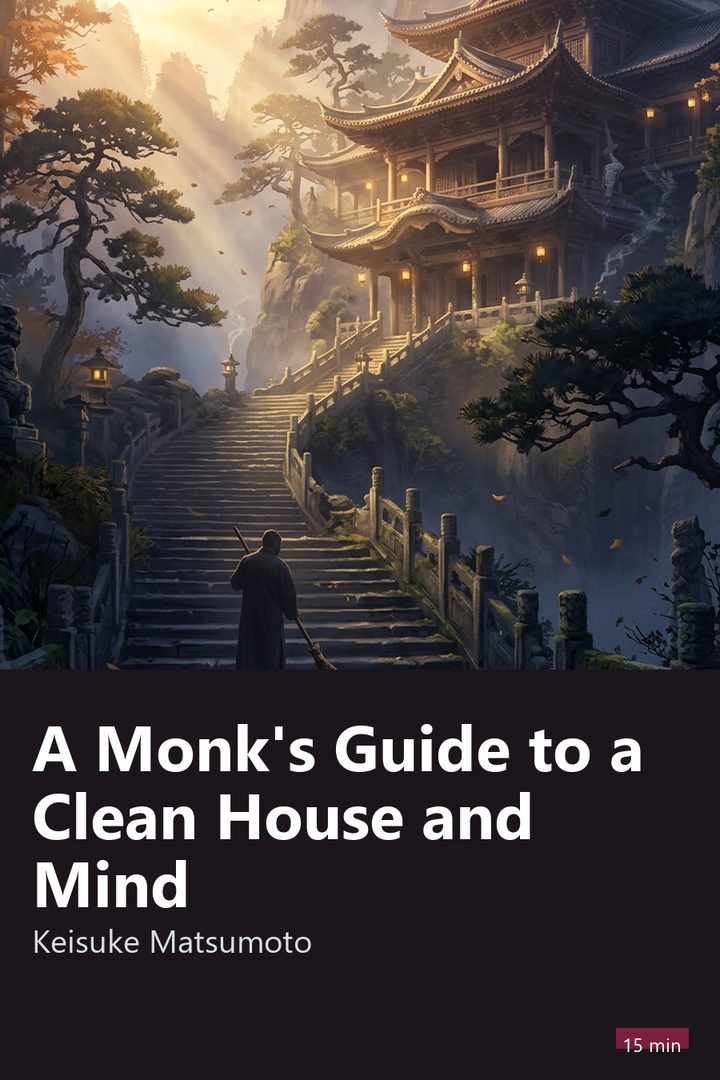
Cover of A Monk's Guide to a Clean House and Mind

Spirituality · 15 min

A Monk's Guide to a Clean House and Mind

Keisuke Matsumoto · 2011

Who it's for

For anyone who feels overwhelmed by clutter at home or in their mind, sees household chores as an irritating burden, and wants to find inner peace, focus, and serenity through simple everyday actions. An illuminating read for anyone looking to bring Zen philosophy into everyday urban life.

Read it in the app

⚡ Free to download • 🎁 One full book free every day

🎧 Audio coming soon in the app

Narration for the English summaries is on its way. Meanwhile you can read the full summary in the app.

3 ideas to take with you

1

Taking loving care of household tools and objects helps cure the consumerist urge to throw things away too soon.

2

The contemplative work of cleaning turns tedious chores into precious moments of active meditation.

3

Dirt that keeps returning teaches us the wisdom of impermanence and the beauty of starting over each day without resentment.

“
The dust we remove from the furniture reflects the stress we clear from inside our minds.
An idea from A Monk's Guide to a Clean House and Mind, in the words of 15 Minutes

Preview

Start reading now

Cleaning as a spiritual path to enlightenment

In contemporary Western culture, housecleaning is often treated as a thankless punishment or a tedious obligation that everyone wants to outsource or put off until the weekend. We see the dust on the furniture and the dishes in the sink as enemies stealing our precious time to rest.

In Japan's Buddhist temples, however, sweeping, scrubbing, and organizing physical spaces are considered among the most sacred practices for spiritual development, known as samu, or contemplative work. For a Zen monk, cleaning isn't done simply because the floor is dirty. We clean to purify the mind of the shadows and attachments that cloud our inner clarity.

This shift in perspective can revolutionize everyday life. Instead of sighing angrily at a full sink or complaining about dust blowing through the windows on dry days, caring for your home becomes a session of active meditation. Each sweep of the broom acts like a breath of fresh air, sweeping stress and mental confusion out of the house.


The sacred priority of morning over night

One of Keisuke Matsumoto's most emphatic teachings sets a strict rule about timing: cleaning should happen in the early morning, before you begin any work or studying.

Daybreak carries an atmosphere of purity and silence that helps attune the mind to serenity. When you wake up, open the windows wide to let fresh air into the house, and wipe the floor with a damp cloth while the city still sleeps, you begin your day with a comforting sense of order and renewed vitality.

The author strongly advises against major cleaning sessions at night. The end of the day should be reserved for slowing down, gathering with family, and resting the mind. Cleaning after dark under artificial light creates anxious restlessness and disrupts the gentle transition into restorative sleep.

Loving respect for tools and objects

In a society of disposable overconsumption, where everything comes ready-made and gets thrown away with alarming ease, the monk teaches us to cultivate a deep reverence for the objects that surround us and serve us every day.

Brooms, cleaning cloths, buckets, and sponges aren't unfeeling mechanical tools. They are devoted partners sharing the burden of existence with us. Caring for cleaning supplies by washing them in clean water, drying them in the sun, and storing them in orderly, appropriate places reflects the quality of the respect you give yourself and others.

This attitude of reverence extends to everything in your home. Handling a simple coffee cup gently as you wash it in the sink and repairing a wobbly chair instead of tossing it in a dumpster help cure the fever of impulsive disposal. These actions teach us that true wealth lies in valuing what we already hold in our hands.

9 more sections and the quiz

Continue in the app

Read the whole summary, finish with the A Monk's Guide to a Clean House and Mind quiz and follow the guided Journeys. No ads in the app.

About Keisuke Matsumoto

Keisuke Matsumoto is a Japanese Buddhist monk at Komyoji temple in Tokyo and holds an MBA from the prestigious Indian School of Business. He founded Temple Morning, a platform that offers morning cleaning and meditation practices open to the public, and works to bring ancient Zen traditions into modern routines. His book became an international bestseller translated into dozens of languages.

Explore

Category:
Spirituality
Part of the Journeys:
Let Your Mind Go