The skeptic on the hill and the perceptual shift
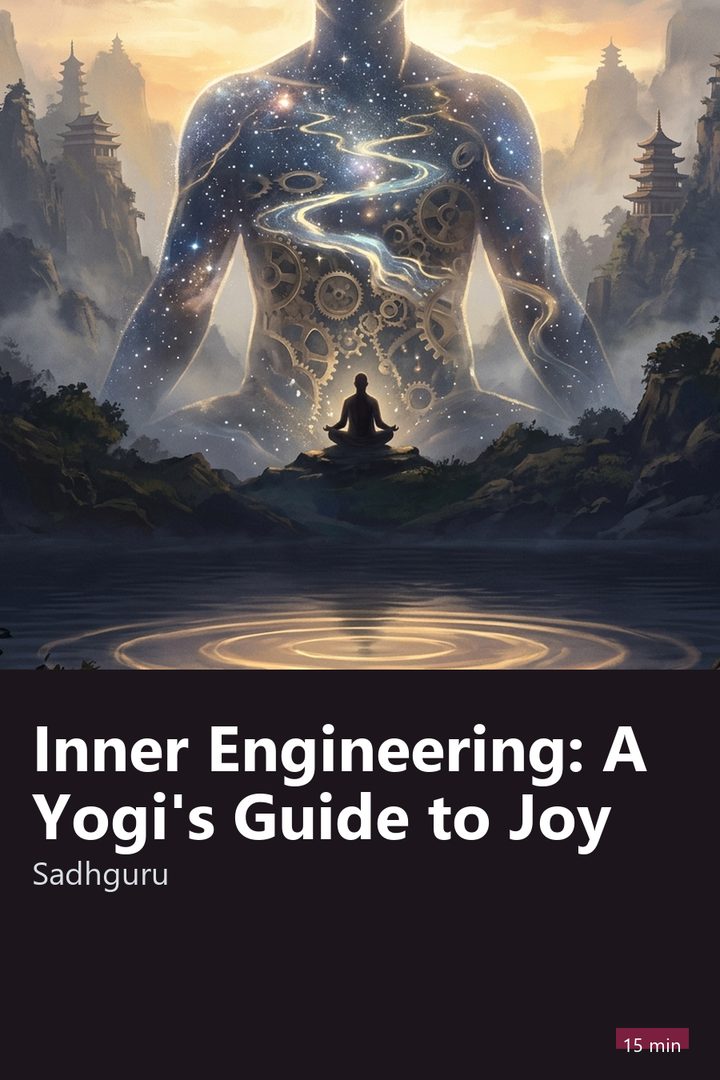
Before wearing robes and becoming one of the best-known spiritual figures in modern India, Sadhguru was a pragmatic young man passionate about motorcycles, poetry, and rural business ventures. He ran poultry farms and worked in civil construction, holding strong skepticism toward religious masters and traditional dogmas. The turning point in his path happened at age twenty-five, when he rode up Chamundi Hill in the city of Mysore for his usual break on an ordinary afternoon.
Sitting alone on a rock, without rituals or prayers, he experienced a sudden dissolution of the sensory boundaries of his own body. What seemed confined to the limits of his skin experienced a profound continuity with the landscape and the earth around him. This experience of spontaneous bliss revealed that human fulfillment does not depend on favorable external stimuli, overturning the idea that joy must be negotiated with the circumstances of the world. From that shock of perception, he investigated consciousness with a practical method, arguing that joy is not a miracle, but a technical possibility developed through an inner engineering aimed at the lucid management of life processes.