The obsession with order and what it hides
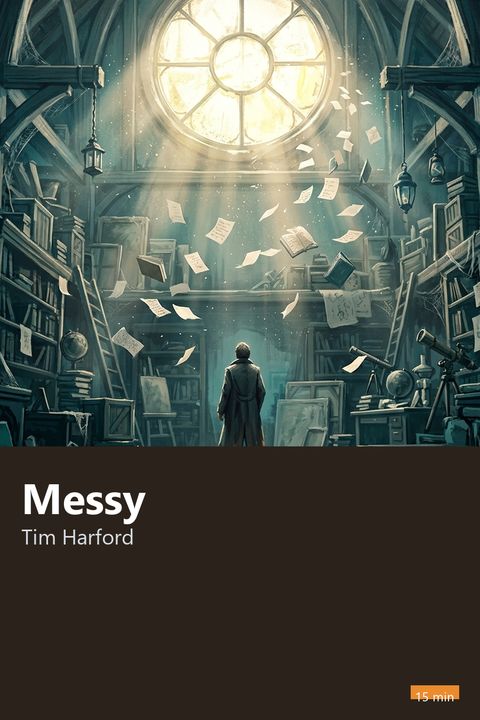
Tim Harford opens with a provocation that bothers anyone who has ever bought a storage bin: what if messiness, in many cases, is an ally rather than an enemy? The book Messy is not a tribute to carelessness. It is an argument that our compulsion to tidy everything up overlooks situations in which a bit of disorder produces better ideas, stronger relationships, and more resilient solutions.
The culture of organization has an obvious appeal. A clean desk, a schedule with no gaps, a crossed-off to-do list, a magazine-ready home. All of that gives you a feeling of control. Harford admits there are contexts in which order is indispensable, but he argues that we exaggerate the benefits of tidiness and underestimate its cost, which is the time, energy, and rigidity it imposes.
Across the chapters, he moves through music, science, warfare, business, kitchens, and offices to show that disorder can show up in different forms and produce different results. The common thread is the same: when the world is complicated and unpredictable, rigid plans break down, and people who are used to improvisation adapt better.