15 Minutes
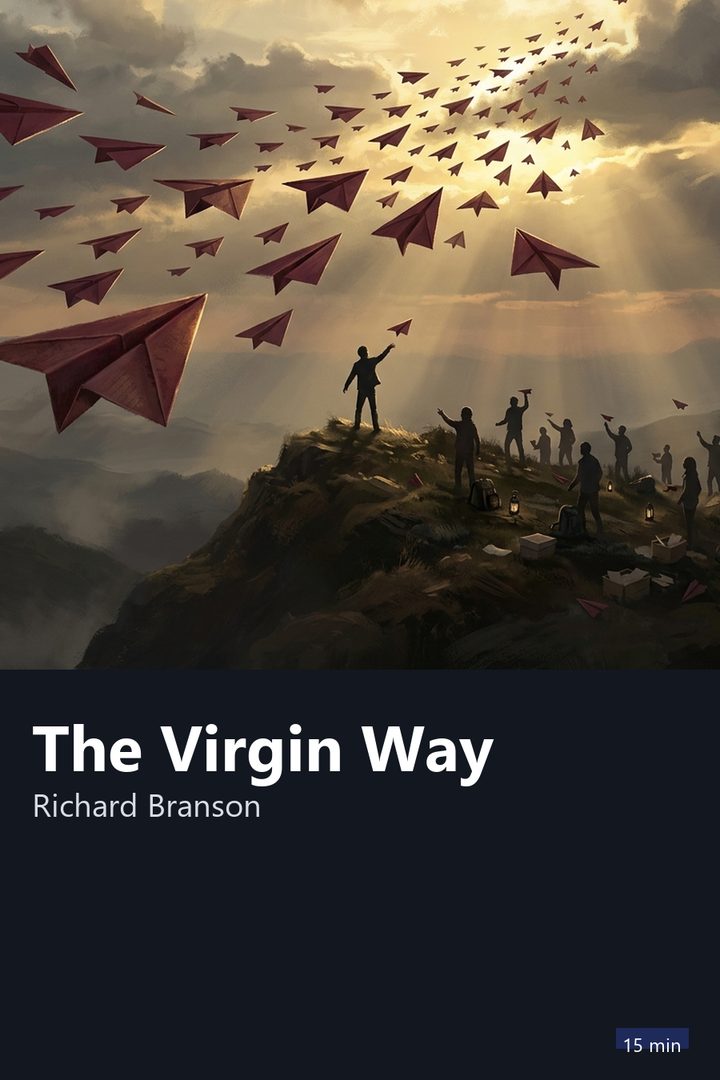
Cover of The Virgin Way

Leadership · 18 min

The Virgin Way

Richard Branson · 2014

Who it's for

For anyone who leads teams or runs a business and wants a more relaxed, humane, people-centered approach to management. This inspiring read challenges corporate rigidity and highlights the value of hands-on learning and active listening.

Read it in the app

⚡ Free to download • 🎁 One full book free every day

🎧 Audio coming soon in the app

Narration for the English summaries is on its way. Meanwhile you can read the full summary in the app.

3 ideas to take with you

1

Truly listening to the people who serve customers reveals solutions that no board meeting could uncover.

2

Relaxed, good-humored workplaces spark more creativity than offices held back by fear.

3

Mature leaders step away from day-to-day operations so their teams can make decisions with genuine autonomy.

“
Hands-on learning born of courageous attempts teaches lessons that no academic degree can anticipate.
An idea from The Virgin Way, in the words of 15 Minutes

Preview

Start reading now

Leadership Without a Suit or a Rulebook

The traditional corporate world has built a solemn image of what it means to be a leader. Executives are expected to wear dark suits, keep their distance from their teams, and communicate in technical terms behind closed doors. These artificial corporate rituals create barriers that stifle spontaneity and separate decision-makers from the everyday realities of the business.

Richard Branson built his business reputation by heading in the opposite direction. Over four decades of founding hundreds of companies under the Virgin brand, he showed that leadership is not about exercising formal authority or intimidating teams, but inspiring people to accomplish remarkable things. Authentic leadership grows out of human connection and eliminating unnecessary privileges.

In retail stores or distribution warehouses, this open approach can be transformative. When leaders step down from their pedestals, listen to everyday challenges, and show genuine consideration for employees, work stops being an obligatory burden. It becomes a living space for collaboration and mutual respect.

The Forgotten Art of Listening

Of all the skills a manager can develop, Branson considers active listening the most valuable and most neglected tool in business. Most executives spend their days talking and issuing orders to prove they have ready-made answers. That vanity keeps them from noticing obvious problems eating away at the organization right under their noses.

One of Branson's signature habits is carrying a small paper notebook wherever he goes. Whether he is on a flight, visiting a hotel, or walking through customer support, he talks with customers and employees, writing down suggestions by hand. Taking notes in front of the person speaking shows respect and signals a real commitment to finding a solution.

Truly listening to the people who serve customers reveals solutions that no board meeting could uncover. Those on the front lines dealing with consumers know about operational problems before any statistical report does. Companies that silence their employees lose valuable knowledge and bury inexpensive innovations.

Practical Wisdom from the Front Lines

The best insights for improving a service rarely come from expensive consulting reports. They emerge from casual conversations with service representatives, drivers, and cleaning staff. These people experience everyday friction firsthand and know exactly what irritates customers and what makes service faster and more pleasant.

Throughout Virgin Atlantic's history, countless signature improvements have come from suggestions by crew members and passengers. From soft lighting to reduce travelers' fatigue to adjustments to in-flight menus, these innovations came from listening to people experiencing the flight firsthand, not from theoretical analyses conducted miles away.

Valuing the front lines requires managers to leave their offices and regularly visit the workplace floor. In retail, an owner who spends an afternoon talking with a stock clerk and a cashier discovers bottlenecks that never show up in the accounting. Giving the people who keep the business running a real voice strengthens the team's commitment.

11 more sections and the quiz

Continue in the app

Read the whole summary, finish with the The Virgin Way quiz and follow the guided Journeys. No ads in the app.

About Richard Branson

Richard Branson is a British entrepreneur and investor who founded the Virgin Group, a conglomerate overseeing hundreds of companies in industries including aviation, music, and tourism. Diagnosed with dyslexia as a child, he left formal schooling at sixteen to launch his first independent businesses. He has written several books on entrepreneurship and leadership, including Losing My Virginity and Like a Virgin. His management philosophy emphasizes informality, active listening to employees, and cutting corporate red tape.

Explore

Category:
Leadership
Part of the Journeys:
Managing Real People